Want a trekking experience to feel more personal, or where crowds are hardly seen?
Makalu Base Camp Trek might just be the best experience for you.
The Makalu Base Camp Trek is one of the most secluded, remote, adventurous and less-crowded trekking experiences one can find in Nepal. This trek takes you to the bliss of unimaginable scenery and adventures to the base of Mount Makalu (8485m), the world’s fifth highest mountain. Located in eastern Himalayan within the gorgeous Makalu Barun National Park, this trek is really one heck of an adventure. Unlike the popular trekking regions such as the Everest or Annapurna trekking routes, the Makalu region offers quieter, personal wilderness experiences, combining all the dramatic mountain scenery, diverse landscapes, traditional mountain settlements, and rich Himalayan biodiversity.
The journey of this trek usually starts with a flight taken from Kathmandu to Tumlingtar, followed by a road trip to Num: the starting point of your trek. The trail passes through traditional villages like Seduwa and Tashigaon, before gradually ascending through dense rhododendron forests, alpine meadows, and rugged mountain terrain. Before entering the spectacular Barun Valley, you will have to cross the challenging Shipton La and Keke La passes, eventually reaching Makalu Base Camp at approximately 4,870m.
One of many attractions of this particular trek is the breathtaking, surreal view of Mount Makalu’s enormous south face, surrounded by other impressive Himalayan Peaks, glaciers, and glacial lakes. This region is also rich in its diverse wildlife, you’ll find it to be home of Habre (Red Pandas), Himalayan Thar, and several rare bird species. Thus, this trek is an elite choice for those who want to see the beautiful landscapes and rich wildlife of Nepal without having to have a second thought about the crowd. It is an excellent choice for experienced trekkers seeking an alternative to Nepal’s busier trekking destinations.
However, though it is rewarding, this trek is also very physically demanding, as to its remoteness and changing Himalayan weather. Long walking days, steep ascents, high-altitude passes, limited accommodation, and unpredictable weather require proper preparation and flexibility.
Seasonal Challenges of the Makalu Base Camp Trek
For the Makalu Base Camp Trek, choosing the right season is extremely important. Because of its high-altitude terrain, remote location, and unpredictable mountain weather, it is really essential to know which season would be most suitable for you, so as to get the utmost experience for this trek. Spring and Autumn are generally considered the most favorable season to conquer this trek, whereas Monsoon and Winter are bound to bring up extra challenges to the already existing challenges.
Spring (March to May)
Spring is one of the best seasons to trek to Makalu Base Camp. During spring, the temperatures are slightly warmer, snow begins melting at a lower elevation, and the forests become slightly red and come to life with blooming rhododendrons and other Himalayan flowers.
During Spring in April, the trail to base camp and base camp itself becomes particularly beautiful, having to offer colorful landscapes, comfortable daytime temperatures, and generally favourable trekking conditions. As you move forward, towards the upper Barun Valley, you can enjoy some spectacular views of Mount Makalu and surrounding snow-covered peaks.
Seasonal Challenges:
Particularly during March, you can still find freezing temperatures at higher elevations.
Snow accumulation around Shipton La and Kele La can make certain sections difficult.
Afternoon clouds and occasional snowfall may affect mountain visibility.
May can bring increasing humidity and also pre-monsoon showers.
Overall: March to May offers an excellent combination of natural beauty and favorable trekking conditions, with April undoubtedly being the most attractive month.
Autumn (September to November)
Amidst Spring, another excellent season for trekking to Makalu Base Camp is Autumn. Since autumn is followed by the monsoon, the surrounding landscapes of the Makalu region become greener, the atmosphere becomes clearer, and mountain views are generally at their best.
October and November are mostly popular amongst trekkers during the autumn season, given its relatively stable weather, dry trails, and to top it all off, excellent visibility. You can enjoy uninterrupted views of Mount Makalu, Chamlang, Barunste, and other Himalayan peaks.
Seasonal Challenges:
You may still experience occasional rainfall and cloudy conditions during September.
During early Autumn, trails can remain muddy and slippery.
During October and November, temperatures drop considerably, especially at higher elevations.
Late November brings colder nights and an increased possibility of snowfall around high passes.
Overall: October and early November are among the best periods for this trek, offering favorable weather, clearer mountain views, and relatively stable trail conditions.
Monsoon (June to August)
The monsoon season is usually the least favorable time for the Makalu Base Camp Trek. During the monsoon, eastern Nepal receives considerable rainfall, making trekking trails extremely slippery and increasing the possibilities of natural disasters, such as landslides and flooding.
Although the lower forests and valleys become exceptionally green, persistent cloud cover often hides the surrounding mountains. Leeches, muddy trails, and unpredictable weather can also make daily trekking uncomfortable.
Seasonal challenges:
Heavy rainfall increases the possibility of landslides and trail damage.
Leeches become common in lower forest sections.
Cloud cover frequently obstructs mountain views.
Wet and slippery trails make steep ascents and descents more difficult.
Domestic flight and road transportation to Tumlingtar may experience delays or cancellations.
Overall: Monsoon is generally not recommended for the Makalu Base Camp Trek because of challenging trail conditions, poor visibility, and transportation disruptions.
Winter ( December to February)
Winters give rise to extremely cold weather in the upper parts of Makalu. Even though it could be quite comfortable in the lower regions during the daytime, higher places will definitely become much colder, with freezing nights and heavy snowfall.
The high-altitude trails, such as the Shipton La and Keke La, might become hard or even inaccessible owing to the accumulation of snow. The lack of accommodation facilities and trekking services makes winters even more difficult.
Seasonal problems:
Extremely cold weather, especially at altitudes above 3,500 meters.
Heavier snowfalls can block the trails and passes in the mountains.
The frozen trails will make slips and falls more likely.
Limited access to tea houses and trekking services.
Shorter periods of daylight will reduce the time available for trekking.
Overall: Winter trekking is suitable mainly for highly experienced trekkers with appropriate winter equipment, additional logistical support, and flexible itineraries.
Best Season at a Glance
Season | Months | General Conditions | Recommendation |
Spring | March–May | Blooming forests, moderate temperatures, occasional snowfall | Excellent |
Autumn | September–November | Clear skies, stable weather, excellent visibility | Excellent |
Monsoon | June–August | Heavy rainfall, slippery trails, poor visibility | Not recommended |
Winter | December–February | Freezing temperatures, snow-covered passes | Challenging |
Risk of Altitude Sickness
At above 4,870meters from sea level, you may experience altitude sickness. At a higher elevation, the oxygen gets thinner, and the wind gets stronger, resulting in the risk of getting altitude sickness. No matter how small your symptoms are, you must always be cautious and reach out for help. After all, if you aren’t fit enough, your entire journey will be doomed.
Some common symptoms of altitude sickness include:
Limited Accommodation
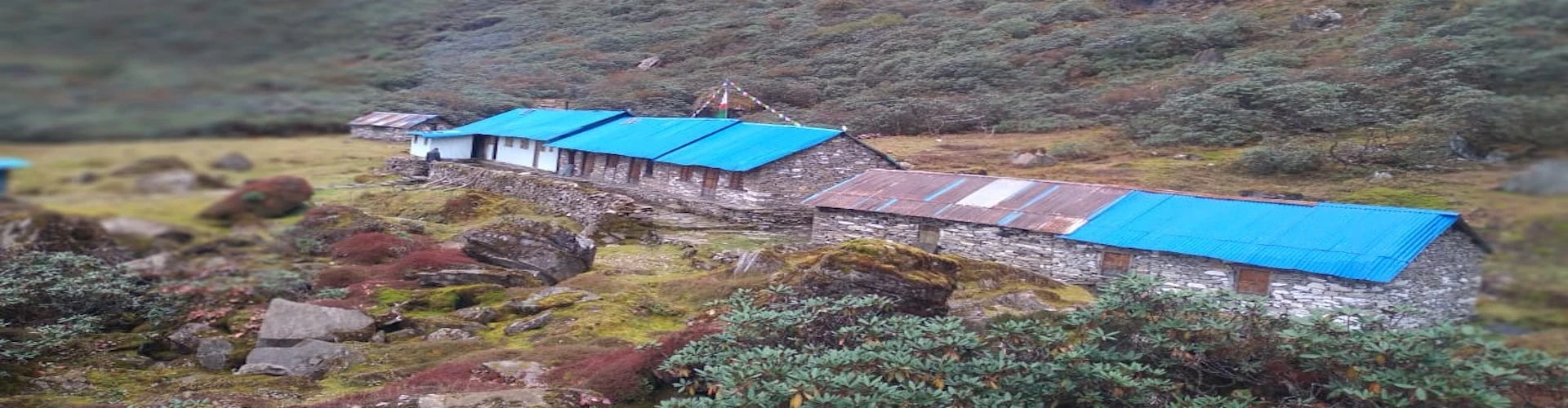
Given its pristine wilderness and off-the-beaten-path trails, the Makalu region offers limited accommodation options when contrasted with heavily frequented routes like Everest or Annapurna. Along the path, adventurers primarily stay at modest local teahouses, rustic lodges, or set up temporary tented camps. As you ascend further into the high-altitude terrain toward the upper Barun Valley and Makalu Base Camp, services turn remarkably sparse. Consequently, thorough logistical preparation, suitable cold-weather gear, and well-planned food arrangements become vital for a smooth journey.
To make the most of your journey, the ideal windows for completing this trek fall within Spring (March to May) and Autumn (September to November). Among these, April, October, and early November stand out as the most rewarding months. Nevertheless, Himalayan weather remains notoriously volatile, making it essential to prepare extra contingency days in your itinerary to manage potential snowfall, trail disruptions, or transport delays.
Opting for the Makalu region grants an unparalleled opportunity to experience pristine wilderness away from Nepal’s heavily traveled paths. When supported by adequate preparation, suitable seasonal planning, and a reliable trekking team, this adventure promises an unforgettable journey into one of the Himalayas’ most spectacular pristine sanctuaries.
If you want to take on this adventure amidst the challenges, visit our site for more detailed information and the itinerary schedule of the Makalu Base Camp Trek.