Short Mardi Himal Trek 5 days

Trip Overview
  • Duration 5 Days
  • Difficulty Level Moderate or Grade B (**)
  • DestinationNepal
  • Meals & AccommodationB/L/D - Teahouse
  • Trip Start & EndPokhara
  • Trip TypeTea House Trek
  • Major AttractionMardi Himal, Forest Trails
  • Maximum Altitude4,500 meters (14,764 feet)
  • Best TimeSpring and Autumn

Mardi Himal Trek 5 Days Overview

The 5-day Mardi Himal Trek is undoubtedly one of the best short trekking adventures in Nepal; it takes you to the core of Annapurna and that too in a shorter span of time, hence perfectly fitting for a traveler who is short of time. This itinerary has it all, including some of the scenic ridge walking trails, great hospitality, and stunning Himalayan views that you can pack within the span of 5 days.

Beginning with a beautiful drive from Pokhara to Kande, the trek passes through lush forests of rhododendron and oak, leading to some spectacular views from the ridgeline, which show Machhapuchhre (Fishtail), Annapurna South, Hiunchuli, Mardi Himal, and its surrounding peaks. This trek is one of the least crowded trekking trails of the Annapurna Conservation Area, and this makes it a great option for trekking other than the Annapurna Base Camp and Poon Hill treks.

This 5-day Mardi Himal Trek itinerary is perfectly designed for trekkers with a reasonable pace with an overnight at Samjay Deurali, Badal Danda, High Camp, and Low Camp before descending through Sidhing village with a drive to Pokhara. Mardi Himal Base Camp lies at an elevation of 4500 meters, and there you will be rewarded with the most amazing sunrise on one of the highest peaks of the world.

Though the trek goes up to 4500 meters, it is not as difficult as you think, and one with good fitness can comfortably do it, and of course veteran trekkers can do it even more easily if they are looking for a short but amazing trekking experience in Nepal. From walking through amazing forest and ridges to encountering traditional mountain tea houses, the trail takes you to an entirely different environment.

So far you will get to enjoy amazing Nepali foods, friendly hospitality from local people, see changes in environment throughout from forest to alpines, and get all the memorable experiences for your lifetime traveling to Nepal.

Mardi Himal Trek 5 Days Highlights

  • Make your way to Mardi Himal Base Camp (4,500 m / 14,760 ft.), the closest vantage point to the revered Machhapuchhre Mountain, otherwise known as the ‘Fishtail’ Mountain.

  • Get ready to undertake a gratifying five-day excursion across the Himalayas, which is good for travelers who do not have much time to spare.

  • You will get to witness remarkable sunrise views of the famous Machhapuchhre, Mardi Himal, Annapurna South, Hiunchuli, Annapurna I, and Lamjung Himal.

  • The trek follows beautiful rhododendron, oak, and bamboo forests replete with the flora and fauna for which the Himalayan region is famous.

  • The trek leads you along beautiful high alpine ridges that offer continuous breathtaking mountain views along the way.

  • During your stay, you will be accommodated in traditional tea houses and be treated to traditional hospitality by the Gurung community in the Annapurna region.

  • Escape the busy trekking routes and enjoy one of the quietest ones in the Annapurna Conservation Area.

  • Observe significant change in landscape from pristine jungles & lush trails to alpine meadows to rocky terrain of mountains.

  • A scenic drive from Pokhara to Kande to begin and trek back through Sidhing Village, making a beautiful loop trail.

  • Get a lifetime photo opportunity of snow-capped mountains, vast valleys, richly colored woods, and golden Himalayan sunsets.

  • Catch glimpses of diverse Himalayan birds and possibly wildlife, including the Himalayan monal, langur, and other species.

  • This trek is considered for moderately fit beginners as well as experienced trekking lovers who are looking for a concise, rewarding Himalayan trip.

  • Travel to one of Nepal’s remote trekking trails without sacrificing amazing mountain views and still escaping the trekkers.

Mardi Himal Trek Essentials 

Trek Detail

Information

Trek Duration

5 Days

Total Trekking Distance

Approximately 45 - 50 km

Total Driving Distance

Approximately 75 - 80 km

Highest Point

Mardi Himal Base Camp - 4,500m (14,760ft.)

Highest Overnight Stay

High Camp - 3,600m (11,810ft.)

Average Walking Time

4- 6  hours per day

Longest Trekking Day

Day 4 (7 - 8 hours)

Shortest Trekking Day

Day 3 (2 - 3 hours)

Total Walking Hours

Approximately 22 - 26 hours

Difficulty Level

Moderate

Starting Point

Kande

Ending Point

Sidhing

Mardi Himal

Mardi Himal is a beautiful mountain peak standing at 5,587 meters (18,330 feet in elevation in Nepal's Annapurna Himal region, found below the famous fish-tail or Machhapuchhre Mountain. Though not as significant as the nearby peaks, it is notable due to the dramatic ridge of the mountain and rugged alpine terrain it possesses when surrounded by some of the highest peaks of the Annapurna massif. The peak and Machhapuchhre Peak are connected through a mountain pass at 5,200 meters. It was first summited by the English mountaineer known as Basil Goodfellow in 1961.

Considered one of the trekking peaks of Nepal, the peak was climbed by many climbers looking for a non-technical mountain climbing experience while still being a natural feature in the Annapurna Conservation Area. The very environment and the unique glacier feature make the Mardi Himal one of the most appealing mountains that is less known in the Nepal Himalaya.

Mardi Himal View Point

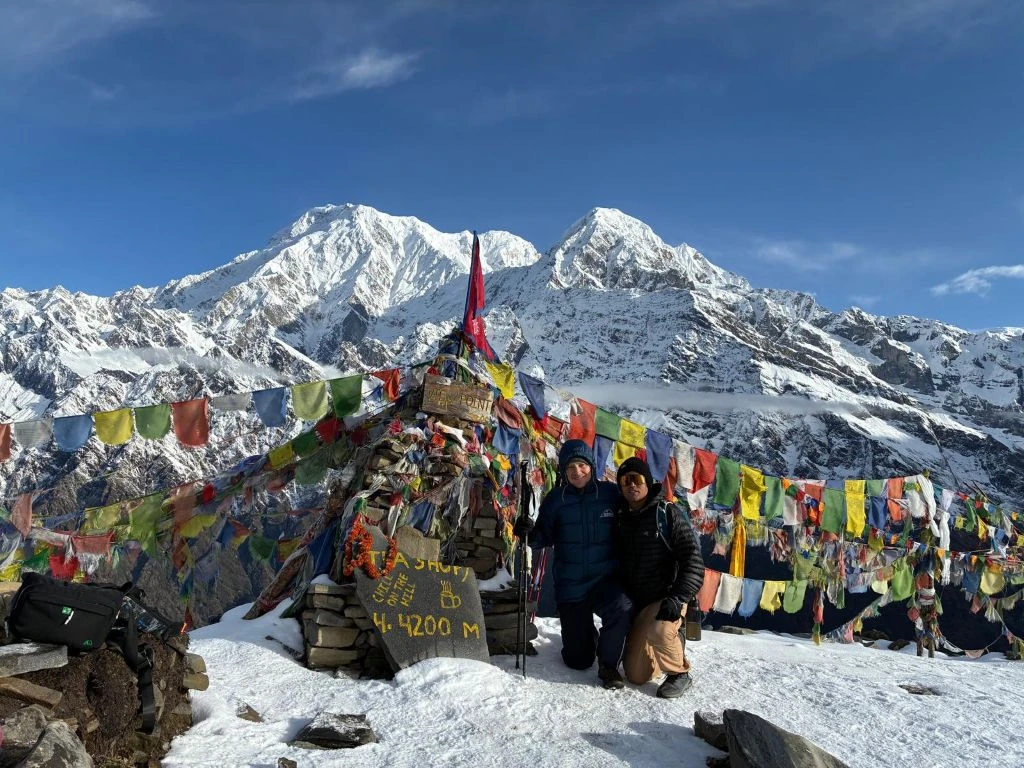
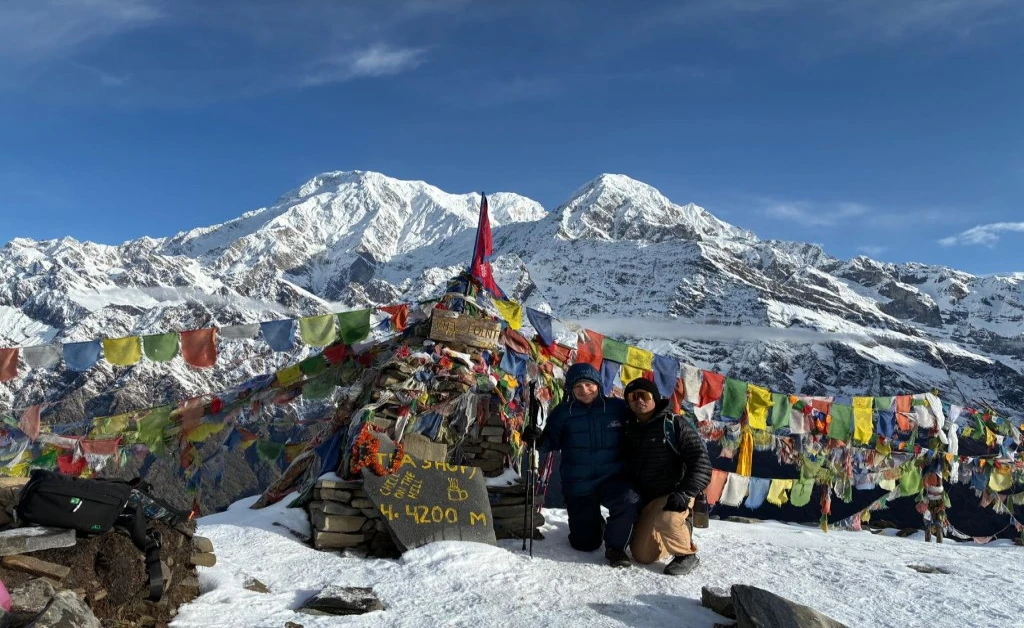
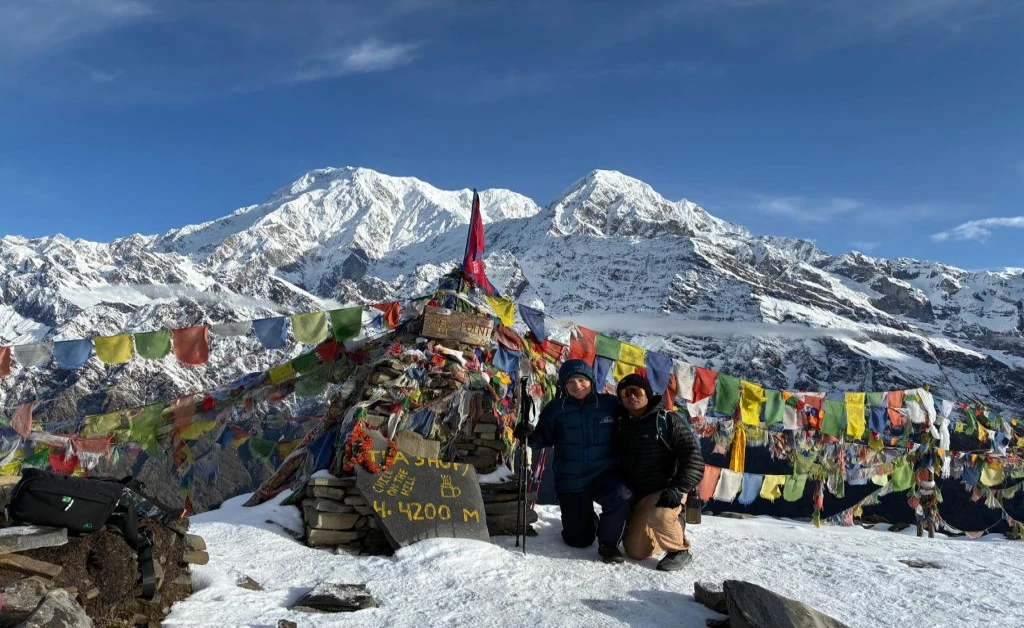
Mardi Himal View Point, the highest and most impressive viewpoint on the standard Mardi Himal Trek, is situated at approximately 4,200 - 4,500 m above sea level, depending on the viewpoint and the condition of the hiking trail. The viewpoint can be reached after an early morning climb from High Camp, from where visitors can behold the stunning views of Machhapuchhre (Fishtail), Annapurna South, Hiunchuli, Mardi Himal and the rest of the mountains around.

Unlike other viewpoints available in Nepal, the mountains appear very close here, allowing visitors to dip into the world of breathtaking nature and the feeling of being in the mountain wilderness. As visitors start hiking early in the morning, it provides them with views of the first sunrays illuminating the snow-topped peaks, which makes this viewpoint one of the most attractive for tourists who take pictures in the Annapurna region.

Mardi Himal Base Camp

Located at an elevation of 4,500 meters (14,760 feet) above sea level, Mardi Himal Base Camp is the highest point to get to in the Mardi Himal trek. Situated below the massive ridges of Mardi Himal (5,587 m) and directly opposite the amazing and sacred Machhapuchhre (Fishtail), the base camp gives one of the most easily approachable mountain views among Annapurna region mountains.

The final climb to the base camp is along a thin alp into the rugged region, with views of glaciers, snowy peaks, rocky terrains, and finally, standing above the viewpoint, you will have the mind-blowing view in the clear sky with the amazing vista of the great peaks of Machhapuchhre, Annapurna South, Hiunchuli, Annapurna I, Gangapurna, etc. Mardi Himal Base Camp is a culmination of the trekking trip, the main purpose of the trip, which is truly a memorable experience.

Why the Mardi Himal Trek Is Nepal's Best Hidden Gem

Mardi Himal Trek has emerged as the ultimate “best-kept treasure” of Nepal as it still delivers what the popular trails fail to do-peace, exclusivity, and sublime Himalayas views. While other well-known trails bring a flock of trekkers during seasons, the Mardi Himal trek follows a serene ridge and allows trekkers to appreciate the mountains in a more tranquil way.

What makes this trek something exceptional is that it can offer so much in only five days. No need for any domestic flights or a lengthy trek, as it is possible to trek to the breathtaking view of mountains at an altitude of 4,500 meters and enjoy fantastic views. The trail changes from rich forests to clear alpine ridges, giving a sense of novelty every day of the journey.

Family-owned tea shops, low vantage points, and sparse tourists make this a perfect location for quiet enjoyment. In fact, the Mardi Himal trek can become one of the most accessible treks that combine breathtaking nature views with pleasant connections with nature.

Why Choose This 5-Day Mardi Himal Trek Instead of the Standard 7-Day Route?

The Choice between the 5-days and the 7-days Mardi Himal Trek is largely dependent on the amount of time that you have, your fitness and pace. The 5 days and 7 days Mardi Himal treks generally stick to the same route to the base camp of Mardi Himal at 4,500 meters and there really is no lost opportunity going with a short version either.

5-Day Mardi Himal Trek

7-Day Mardi Himal Trek

Suitable for those on tight schedules

Ideal for those who have longer holidays

Includes all the major highlights plus Mardi Himal Base Camp

Includes almost all the attractions with additional overnight stops en route

Hiking duration ranges from 5 to 7 hours per day

Requires fewer trekking hours each day for a more relaxed experience

Good choice for healthy trekking aspirants

Suitable for beginners, families with young children, and trekkers who prefer a leisurely pace

Leaves time to enjoy other activities in Nepal

Provides more time for photography, enjoying the panoramas, and resting

Most trekkers favor the 5-day trek which offers a good blend of efficiency and adventure. It takes you through the complete trail of Mardi Himal and makes you enjoy the gorgeous views of the mountains while getting the chance to stay in traditional tea houses and reach the Base Camp without the necessity of extending your holiday. If you are in a good shape and do not mind walking 6-8 hours a day on certain days, the 5-day trek is a practical choice. However, the 7-day trek is the one for slower travelers, those who wish to take their time acclimatizing to the altitude, or simply want to spend more time in the cozy environment of the Himalayas.

Mardi Himal Base Camp Height

At an altitude of 4,500 m (14,760 ft) above sea level, the Mardi Himal Base Camp is the highest destination achieved by normal hikers on the standard Mardi Himal Trek. While at this height, the hikers are way above the tree line and surrounded by harsh alpine topography under the high peaks of Mardi Himal and Machhapuchhre.

Because of the thinner air at 4,500 m, oxygen levels here are much lower than usual at sea level, which is the reason hikers should be advised to start early in the morning. Reaching this elevation is a great success for the hikers and allows them to enjoy an amazing full-fledged experience of the high Himalayan scenery without needing to participate in a technical climbing trip.

Is the 5-Day Mardi Himal Trek Right for You or If Should You Choose Direct Annapurna Trek? 

The Mardi Himal Trek is an excellent budget-friendly trek in the Himalayas from Pokhara. The trek comes closer to an ideal trek for those traveling on a time constraint but who would like to experience the vistas of the mountains, including Machhapuchhre (Fishtail), on a trek of short duration, just five days.

The Mardi Himal trek is considered to be moderately challenging, so it can be suitable for both beginner travelers with good health and advanced trekkers.

If you want to choose a trek with a fixed duration of five days, then the Mardi Himal trek is certainly the best one. As there are other longer trekking options from the Annapurna region, which would require a bigger budget, more effort, and more days.

If you are planning to choose a less complicated trek or if you want to have an overall challenge-free experience of trekking in the Himalayas, then the Mardi Himal trek is the winner, as it offers all the amazing views and a comfortable stay in teahouses for a shorter period of time. 

Mountain Views You'll See on the Mardi Himal Trek

Machhapuchhre (Fishtail) - 6,993m

One of the first best-known mountains on the hike, Machhapuchhre defines the landscape with its unique twin summits. Its impressive view from the High Camp and Mardi Himal Base Camp is one of the main highlights of the excursion.

Mardi Himal - 5,587m

The mountain providing a name to the trekking adventure rises just above the Mardi Himal Base Camp from one side. Its steep and jagged streets and slopes covered with snow contribute to the beautiful alpine view.

Annapurna South - 7,219m

Located in the west and being one of the high peaks, Annapurna South impresses trekkers with its stunning ice wall and mightiness.

Hiunchuli - 6,441m

Next to Annapurna South, Hiunchuli is striking with its attractive triangular shape and offers the wonderful view from the ridges.

Annapurna I - 8,091m

The world's tenth tallest mountain, Annapurna I, can be spotted in the background of neighboring peaks during good weather, adding its majesty to the Himalayas.

Annapurna II - 7,937m

Belonging to the whole massif of Annapurna II, the mountain creates the view of the peak part of the snowy Himalayan mountains.

Annapurna III - 7,855m

This remarkable peak is an addition to the eastern portion of the Annapurna range and can be seen during clear days from the altitudes of the trail.

Annapurna IV - 7,525m

Annapurna IV makes sure that the Annapurna skyline looks extraordinary when captured during sunrise and sunset.

Gangapurna - 7,455m

Gangapurna is recognized through its glaciated slopes, and it looks magnificent amidst the breathtaking landscape of the Annapurna massif.

Lamjung Himal - 6,983m

During clear mornings Lamjung Himal can be observed to the east and contributes a considerable amount to this great Himalayan spectacle.

Mardi Himal Trek Distance, Walking Hours, and Maximum Altitude

Day

Route

Trek Distance

Drive Distance

Walking Hours

Driving Hours

Start Altitude

End Altitude

Elevation Gain/Loss

Day 1

Pokhara → Kande → Samjay Deurali

8 - 10 km

30 km

4 - 5 hrs

1 hr

822m

2,100m

↑ 1,278m

Day 2

Samjay Deurali → Badal Danda

10 - 12 km

6 - 7 hrs

2,100m

3,210m

↑ 1,110m

Day 3

Badal Danda → High Camp

3 - 4 km

2 - 3 hrs

3,210m

3,600m

↑ 390m

Day 4

High Camp → Mardi Himal Base Camp → Low Camp

15 - 17 km

7 - 8 hrs

3,600m

3,050m

↑ 900m / ↓ 1,450m

Day 5

Low Camp → Sidhing → Pokhara

6 - 7 km

45–50 km

3 hrs

3 hrs

3,050m

822m

↓ 2,228m

Mardi Himal Trek  Cost 2026/2027/2028

The Mardi Himal Trek for 5 days is one of the most affordable trekking tours located in the Himalayas, providing fantastic mountain views at a low cost compared to other longer trekking tours in the region. Since the trekking begins and ends in the beautiful city of Pokhara, the cost of transport remains low without compromising on the full trekking experience to Mardi Himal Base Camp at an altitude of 4,500 meters.

Our packages start from around USD 290 per person, depending on the size of the group and covering all necessary trekking services. The cost gets reduced even more when you have bigger groups because transport, service charges, and operational costs are shared among the number of participants of the tour. If you travel by yourself, as a couple, or in a big team, we follow a transparent pricing system with no hidden fees. All the prices given below will be valid for the trekking tours taking place in the years 2026, 2027, and 2028.

Mardi Himal Trek Cost (2026/2027/2028)

Group Size

Cost Per Person (USD)

1 Person

USD 590

2 People

USD 550

3 People

USD 490

4 - 6 People

USD 450

7 - 12 People

USD 390

13 - 18 People

USD 350

19 - 24 People

USD 290

What Is The Reason Behind the Decrease in Cost for Large Groups?

This is because the amount incurred for the activities like transport, guides, operating staff, and logistical cost are shared equally among the group. The number of people does not make any difference to the professional service and support that a trekker can get.

What Other Costs Should You Prepare For?

The package will take care of the main services for trekking, but you should take along USD 150-250 in cash as well for personal expenses. Most of the tea houses accept cash, as the ATMs will not be available after leaving Pokhara. Here are some expected additional expenses.

Visa fee for entering Nepal

If you are an international traveler, you will need a tourist visa for Nepal. The current fees are USD 30 for 15 days, USD 50 for 30 days and USD 125 for 90 days, which can be paid in any foreign currency.

Travel Insurance

Most providers advise taking out travel insurance, including coverage for trekking to the full trek elevation (a minimum altitude coverage of 4,500m/ 15,000ft) and cover for emergency medical, repatriation and emergency helicopter rescue. Depending on the country in which you are based and your insurance plan, this could set you back anything from $50- $200.

Personal Trekking Equipment Rental

If trekking equipment is not available to you, you can rent it in Pokhara prior to the start of the trek. The average price for jackets and sleeping bags is about USD 2-4 a day, and for trekking poles, gaiters, and other equipment, from USD 1-3 per day. (Himalayan Glacier)

Hot Showers

Most tea houses along the Mardi Himal route can give you the opportunity to take hot showers for an extra price. The price will typically range between USD 2 and USD 5 per shower.

Wi-Fi and Mobile Internet

Wi-Fi is available in many teahouses, but it tends to become much less reliable as you go higher. The average price for use is between USD 2 and USD 5 a day. Some sections along the trek can provide mobile internet.

Charging of electronic devices

Charging of your smartphone, camera battery, or power bank costs USD 1–3 minimum at tea houses, which is likely to increase as you go to higher elevations.

Foods and beverages

Chocolate bars, soft beverage drinks, bottled water, tea, coffee, and energy snack foods can be found along the way but cost more than in Pokhara. Bring an amount between 5-15 dollars per day for consumption.

Alcohol beverages

Beer, whisky, rum, and other alcoholic beverages are served at many tea houses. The cost of these beverages ranges from $4-10 based on the place of service.

Tip for guides and porters

Although tipping is not compulsory, it is customary in Nepali trekking. Most trekkers save between $10-15 a day for the guide and $8-12 for the porter.

Why Book Mardi Himal Trek or Annapurna Treks With Mountain Rock Treks?

  • Government-Approved and Licensed Trekking Company: Mountain Rock Treks is a registered trekking company. This follow the rules and regulations of the government of Nepal which all kind of documents to tourism permit.

  • Over 14 years of trekking experience: Having been in business for over 10 years, we know every path, tea shop, and mountain trail very well.

  • Qualified local guides and friendly porters: Our licensed trekking guides have knowledge of mountain safety, altitude sickness, first aid, and local ways of life.

  • Price Guarantee: We provide prices that are worth it for a trekking tour, which are also transparent with no unknown charges.

  • Small Groups and Individualized Service: Regardless if you are a traveler alone or a couple or a family or a group we offer custom itineraries and personalized services while you travel with us.

  • Safety First: Our guides are in constant touch with weather reports, trail conditions, and the status of your health, so they can assist you whenever necessary.

  • Carefully Chosen Tea Houses: We supply good tea house accommodations, offering friendly treatment, good hygienic food, and convenience for our overnight stops.

  • 24/7 Customer Service: Our team is here to answer your questions any time from the moment you contact us with your inquiry until you leave Nepal with your memories.

  • Environmentally Friendly and Responsible Trekking: We actively promote the idea of responsible tourism that helps local people, respect natural environment, and develop sustainable trekking practices.

  • High Client Satisfaction: We pride ourselves on the quality of our service, being well-known among trekkers from all over the world. Many of them come back to have more adventures in Nepal with us.

  • Flexible Departure Dates: You may join us either on a group trek or on a private one depending on your preferred date for travelling.

  • Complete Trekking Support: We take care of all the issues connected with the trekking, including obtaining permits, transportation, accommodation, meals, guides and other details.
Our Success Trips

We summited the summit and traveled to Nepal with thousands of people. Still, our true victory is to get your destination that brings us to the top with our complete service of trekking, mountaineering, and adventure tours.

Know before you book

Itinerary

Mardi Himal Trek Itinerary in Less Than 1 Week

Below we have the most comprehensive 5 day Mardi Himal Trek Itinerary designed for maximum pleasure with inclusive arrival and departure dates within a one-week framework. The trek adheres to reasonable pacing, is appropriate for reaching Mardi Himal Base Camp (4,500 meters) without exertion, and ensures adequate time to simply observe the mesmerizing mountain vistas (without wasting a week of yours). You’ll be accompanied by an experienced and local guide throughout who is responsible for safety, logistics management, and altitude acclimatization. This is definitely a well-structured, well-rounded, and unforgettable trekking adventure within a week

Day to Day Info

See All InfoHide All Info

You start the Mardi Himal Trek at breakfast, and then take a short drive to Kande from the main business town of Pokhara. This place where all begin one hell of a ride in the Annapurnas. You travel through the Pokhara–Baglung Highway before reaching Kande, where the trekking trail begins through serene villages, terraced farmlands, and gentle hills, with panoramic views of Machhapuchhre (Fishtail) at intervals. After you arrive at Kande, you will start ascending via well-made stone steps towards Australian Camp, which is one of the best viewpoints in the lower part of the Annapurna region.

After reaching there, you will descend the trail towards the old Gurung village of Pothana where you will be checked for your ACAP permits after which you will proceed further on to Pitam Deurali. At Deurali Junction, you leave the famous Annapurna Base Camp trail and turn right towards the less traveled Mardi Himal trail and enter the thick forest of rhododendron, oak, and pine trees. Usually, lunch is enjoyed at Australian Camp, Pothana, or Pitam Deurali, where people get the chance to enjoy views of the majestic Annapurna South, Hiunchuli, and Machhapuchhre. In the afternoon, you trek on the quiet and wonderful wooded trail towards Forest Camp before continuing to Samjay Deurali and check in to a warm teahouse.

  • Teahouse
  • Breakfast- Lunch- Dinner
  • Approximately 1 hour drive and 4 to 5 hours trek
  • Samjay Deurali at approximately 2,100 metres

After having breakfast at the teahouse in Samjay Deurali, you begin on the trek for the day, towards the untouched wilderness of the Mardi Himal trail. The route after leaving the village of Samjay Deurali climbs through thick rhododendron and oak forests and is a very peaceful walk away from the busy trails. The Forest Camp (Kokar) is approached, followed by Rest Camp, where many trekkers take a break for tea before continuing towards Low Camp amidst the tall trees of the region and colorful birds around.

As one climbs uphill and reaches Low Camp, the forest starts getting thinner, revealing the first views of Machhapuchhre in its full glory. After having your lunch at either Forest Camp, Rest Camp, or Low Camp, the trek continues along the ridge providing some spectacular views of the mountains. With the increase in altitude, the forests begin to thin while alpine shrubs and grasslands appear.

The trek to Badal Danda is considered to be one of the most beautiful since it offers views of Annapurna South, Hiunchuli, Mardi Himal, and the sacred peak of Machhapuchhre. Arrive here and enjoy a warm dinner while watching one of the most spectacular sunsets over the Annapurna Himalayas.

  • Teahouse
  • Breakfast- Lunch- Dinner
  • Approximately 6 to 7 hours trek
  • Badal Danda at 3,210 metres

After breakfast at Badal Danda, the path starts going up along the ridge where tourists can enjoy magnificent vistas of the mountains while climbing. Here the thick forest is replaced by high-altitude meadows, low rhododendrons, and high mountains.

Every minute one can enjoy beautiful views of Machhapuchhre just in front of them, and further it’s possible to see Annapurna East, Hiunchuli, Mardi Himal, and all the summits that are far away.

The trail continues along the open ridge through alpine landscapes, passing smaller tea houses and viewpoints before reaching High Camp. On the way we will meet a few small tea houses and will reach High Camp at about lunchtime or in the beginning of the afternoon. After having had lunch and registered in the teahouse, we will have some time to relax and get used to the high altitude.

In the afternoon your guide will ask you to take an acclimatization walk towards the Mardi Himal Viewpoint trail to get acquainted with the altitude. 

  • Teahouse
  • Breakfast- Lunch- Dinner
  • Approximately 2 to 3 hours trek with acclimatization hike
  • Acclimatization hike above High Camp at approximately 3,900 metres

The last day and the highlight of your Mardi Himal Trekking expedition. You will wake up at high altitude just early at morning and get up before sun set. We will start your trek before you get up to Mardi Himal Base camp hiking to the ridge through your day-pack only. As you ascend, breathtaking views of Machhapuchhre, Annapurna South, Hiunchuli, Mardi Himal, and distant Himalayan mountains are revealed to you.

But just before you reach Mardi Himal Base Camp at 4500 metres, the last stretch becomes steeper and more challenging due to the rocky ridge trail and high altitude. After marvelling at the beauty around you and taking dozens of pictures, you will return along the same ridge trail via Mardi Himal Viewpoint and back to High Camp for a long-awaited breakfast or lunch in the company of your fellow trekkers.

During your further trek, you will follow the pathway leading through the alpine grassland, having returned to the rhododendron forests on your way down towards Low Camp. By late afternoon, you will reach Low Camp and settle in a comfortable teahouse for the night, with dinner shared with other trekkers. 

  • Teahouse
  • Breakfast- Lunch- Dinner
  • Approximately 7 to 8 hours trek
  • Mardi Himal Base Camp at 4,500 metres

Your final day of the trek starts with breakfast at your teahouse in Low Camp. From there, the trek descends through pleasant rhododendron, oak, and bamboo forests on the way to the Gurung village of Sidhing. Moving downhill is much easier than before. The path goes through forest trails, small streams, terraced farms and settlements where you can observe the traditional lifestyle of the mountain communities.

As you lose altitude, the alpine landscape gradually changes into greener hills, farmland, and warmer lower-elevation scenery. On arrival at Sidhing, you will have lunch at a local teahouse and celebrate the conclusion of your trek at Mardi Himal. After lunch you will be driven back to Pokhara in either an arranged jeep or a private vehicle along the winding mountain road via Ghalel and Lumre.


You will enjoy the chance to take magnificent views of the Annapurna area during your way to Pokhara.
After arriving back in Pokhara, you will have time to rest or explore Lakeside or celebrate your successful trek.

  • Breakfast- Lunch
  • Approximately 3 hours trek and 3 hours drive
  • Low Camp at 3,050 metres

We are pleased to offer the flexibility of tailoring your journey to your desired duration and places, whether extended or shortened, as our proficient team of locals-cum-guides, porters, and accompanying staff have an in-depth understanding of every location traveled.

customize my trip

Cost Details

Includes

Airport Transfers

  • Domestic airport pick-up & drop-off in Pokhara or pick-up and drop-off from a Pokhara hotel.

Pre-Trek Preparation

  • Pre-trek briefing: One day before the trek at Kathmandu Head Office.

Transportation

  • All ground transportation for guide and trekking staff as required
  • Sharing/public transportation to starting point (Pokhara to Kade) and ending point (Siding–Pokhara)

Accommodation

  • All Nights tea house accommodation in the mountains.

Meals

  • Breakfasts on a Trek: Expect various options, including Tibetan bread, pancakes, porridge, eggs, and toast, accompanied by tea or coffee. For Check details Menu.
  • Lunches on a trek: Common meals include dal bhat (rice, lentils, and vegetables), noodles, momos (dumplings), fried rice, pasta, and soups to energize you for trekking.  For Check details Menu.
  • Dinners on a trek: Similar to lunch, dinner offers hearty meals like dal bhat, Sherpa stew, pizza, and spaghetti, providing necessary warmth and sustenance after a long day. For Check details Menu.

Drinking Water

  • We'll provide a water purification tablet for you to purify the tap water if needed.

Guides and Porter

  • One professional, licensed, friendly, knowledgeable, and English-speaking mountain guide, along with all his salary, food, accommodation, drinks, and insurance.
  • One porter between two trekkers (20–25 kg).

Permits and Legal Requirements

  • All necessary trekking permits: Annapurna Conservation Area Project (ACAP) Permit and Trekkers' Information Management System (TIMS)
  • All applicable taxes are in accordance with government rules and regulations.

Gear and Trekking Equipment

  • Provide a sleeping bag, Duffle bag, and down jacket (Refundable), which is for -15 to -20 degrees Celsius)
  • Annapurna Region Trekking map.

Souvenir

  • One Mountain Rock Treks T-shirt.

Safety and Emergency

  • Worst case, help with all rescue and evacuation arrangements.
  • Comprehensive medical supplies (first aid kit will be available).
  • Oximeter to check your pulse, Oxygen saturation, and heart rate twice a day.

Farewell

  • Farewell dinner in the Nepali restaurant at Thamel before you depart from Nepal.

Additional Services

  • Free luggage storage at the office or the hotel.
  • Certificate of achievement (If needed).
  • All organizing costs.

Excludes

International Travel and Visa

  • International airfare and Nepal Visa Fees.

Insurance

  • Nepal Travel Insurance.
  • Travel/Medical insurance and Emergency evacuation costs if needed.
  • Medical expenses, rescue at high altitudes, trip cancellation, and unforeseeable events are excluded. We strongly recommend that you choose travel insurance for your Nepal tour from the options that have benefitted our previous clients during their travels.

Meals and Accommodation in Cities

  • Extra nights in Kathmandu and Pokhara due to early arrival, late departure, or returning earlier than planned.
  • Lunch and dinner while you are in Kathmandu and Pokhara. Here are some local foods and restaurant names you can try in Kathmandu.

Personal Expenses

  • All personal expenses may include a Nepalese SIM card, internet, battery charging, hot shower, laundry, fizzy drinks, soda drinks (coke, Fanta, etc.), alcohol, etc.
  • Clothing, trekking gear, bags, and personal medical kit. Recommended Packing List for trekking in Nepal 
  • Drinking water (like boiled water, mineral water, or filtered water)

Unforeseen Costs

  • Expenses incurred due to unavoidable Events, i.e., road wrecks, flight delays, etc.

Tips and Gratitude

  • Guide tips, porter (it is expected).

Other Activities

  • Optional tours and sightseeing or any activities during free time.
  • Donations of any kind.
  • Wifi or Data on Trekking, Hot Shower Charges, Charging Device Charges etcs

Dates & Price

Add-Ons for Your Mardi Himal Trek

Personalize, enhance, and optimize your Mardi Himal Trek experience by customizing your package with various useful add-ons. You can make your trek experience exceptionally comfortable, highly flexible, personalized to your choices, luxurious, or private using the variety of options listed below, which allow for unique trekking adventures.

These can be purchased even after the trek package is booked or prior to trekking. Prices mentioned below for optional add-ons are indicative prices only and may differ depending on season, group size, and availability.

Transportation Upgrades from Kathmandu to Pokhara

You can choose additional transportation options from Kathmandu to Pokhara at your ease if you will start your Mardi Himal Trek from Pokhara after your international arrival in Kathmandu. It comes in various grades, from budget to luxury transportation.

We offer wide and varied transportation options like:

  • Deluxe Tourist Bus

  • Private Jeep

  • Domestic Flight for more luxury travelers

There is a 200-kilometer (around 125 miles) distance between the two cities, and taking the appropriate vehicle will certainly save considerable time or offer greater convenience.

Kathmandu to Pokhara by Domestic Flight (Fastest & Most Convenient)

The flight option can allow you to maximize your time by avoiding an all-day journey on the road.

A quick 25- 35-minute flight will not only get you there safely but also offer incredible aerial panoramic views of the mighty Himalayas, such as Ganesh Himal, Manaslu, as well as the spectacular Annapurna range on a clear day.

Upon landing in Pokhara, our representative will drop you at your hotel.

Highly recommended for:

  • Clients who are on a tight vacation schedule

  • Families traveling with children

  • Newlyweds

  • Anyone who doesn't want to strain themselves

Please make sure you report a day earlier in Kathmandu if you select the flight, as the service is subject to flight availability. Flights often get cancelled due to unfavorable weather conditions.

Best Time to Add:

  • One day before Day 1 of the trek

  • After Day 5 of the trek for your return trip to Kathmandu

Flight Duration:

  • 25-35 minutes

Approximate Price:

  • One way: USD 75 - USD 130 per person

  • Both ways: USD 150 - USD 260 per person

Kathmandu to Pokhara by Private Jeep (Most Popular Upgrade)

If you want privacy, convenience, and flexibility during the whole journey and prefer a road trip to flying, taking a private 4WD jeep will be the best option. Unlike buses, they will travel according to the departure time you want, and you will be able to take stops as frequently as you require for breakfast, lunch, coffee, photography, and sightseeing on the scenic Prithvi Highway.

The journey involves passing through beautiful valleys, rivers, villages, terraced hillsides, waterfalls, and mountains, making it an experience of Nepal itself. A private jeep is cost-efficient for groups, as you can simply divide the whole cost among you.

Best For:

  • Family

  • Friends

  • Private groups

  • Photographers

Best Time to Add:

  • A day before Day 1

  • On Day 5

Time:

  • 5-7 hours

Typical Cost:

  • USD 150-220 (one way per jeep)

  • Suitable for 4-7 people

Kathmandu to Pokhara by Private Car

A private car (sedan) is frequently chosen for couples and solo travelers. Your private driver will collect you from your hotel or airport and drive directly to Pokhara without any delays like public vehicles.

You will find air-conditioned comfort throughout the journey, along with flexible lunch breaks, allowing you to have a relaxing trip through the beautiful landscapes of Nepal.

Best Time to Add:

  • On or before Day 1

  • On Day 5

Time:

  • 5-7 hours

Typical Cost:

  • USD 120-180 (one way per car)

  • Suitable for 2-3 people

Kathmandu to Pokhara by Luxury Tourist Bus

A luxury tourist bus is one of the most preferred means of transport for international travelers. A modern luxury tourist bus features fully reclined & air-conditioned seats, ample space for luggage and lunch intervals along the journey to Pokhara, with the support of professional & experienced drivers. VIP tours may even have added services like charging stations, Wi-Fi connection, mineral water and refreshments served inside the bus. If you are seeking a really inexpensive transport mode then this Kathmandu to Pokhara tourist bus ticket with an overlanding journey to a wonderful Pokhara is probably for you.

Best Time to Add:

  • A day before Day 1

  • On Day 5

Time:

  • 6-8 hours

Typical Cost:

  • USD 15-30 per person

Kathmandu to Pokhara by VIP Sofa Bus

For travelers who are not opting for flights and wish for additional comfort along with affordability, taking a VIP Sofa Bus is always a great upgrade. Unlike other standard buses, these super-luxury buses are equipped with plush, wide reclining sofa-like seats, ample leg space, air conditioning, charging sockets, and carry fewer passengers to provide an extremely relaxing journey.

The road trip takes you along the picturesque Trishuli River Valley via lush green hills and quaint towns before you reach Pokhara.

When to Add:

  • Before Day 1

  • After Day 5

Travel Time:

  • 6-8 hours

Usual Cost:

  • USD 20 – USD 35 per person

Private Hiace Van for Families and Groups

If you’re traveling as a large family, part of a trekking club, or a corporate group, a Private Hiace Van offers a relaxing yet practical way to travel.

The van can carry both people and luggage comfortably, allowing everyone to travel together. Like a private jeep option, you are free to stop at any point to explore sightseeing spots, have food, or simply relax.

When to Add:

  • Before Day 1

  • After Day 5

Capacity:

  • 7-14 passengers

Travel Time:

  • 5-7 hours

Usual Cost:

  • USD 180 – USD 250 per van (one way)

Flexible One-Way Transportation Upgrade

We generally encourage trekkers to try both methods for travel (to either direction of your trek). You could fly to Pokhara to avoid wasting time and, upon completion of your trek, be whisked back to Kathmandu onboard either a Private Jeep or a Luxury Tourist Bus.

This is extremely common.

Here are a couple of examples:

  • Kathmandu to Pokhara by Flight, then Return by Private Jeep

  • Kathmandu to Pokhara by Flight, then Return by Luxury Tourist Bus

  • Kathmandu to Pokhara by Private Jeep, then Return by Flight

  • Kathmandu to Pokhara by Tourist Bus, then Return by Flight

Usual Upgrade Cost:

  • Varies based on transportation type and number of people traveling.

Helicopter Return from Mardi Himal

Elevate your trekking holiday into a luxury expedition by walking all the way to Mardi Base Camp and flying back from the Mardi Himal region all the way to Pokhara.

Imagine an aerial panoramic view of Machhapuchhre “Fishtail,” Annapurna South, Hiunchuli, and the spectacular array of the entire Annapurna range.

Best Day to Add:

  • After Day 4, upon successful reach at Mardi Himal Base Camp

Standard Price:

  • USD 2,200 to USD 2,800 per helicopter

  • Can accommodate 5 passengers; therefore, the per-person cost is very affordable.

Accommodation Upgrade Options for Your Mardi Himal Trek

Having a good accommodation option can make a great difference in your trekking journey. The tea houses along the Mardi Himal trek route are rather basic and created for trekkers' needs. However, there are various hotels in the urban area where you can stay both before and after trekking, and these hotels offer relaxation, comfort and luxurious accommodation. Mountain Rock Treks understands that different travelers have different kinds of accommodation preferences, so its accommodation upgrades are designed to fit everyone's specific needs. 

3 Star Hotel Upgrade in Pokhara (Standard)

If your itinerary covers staying in a standard hotel, upgrading it to a 3-star standard hotel would make the start and end of your trekking trip more comfortable. Most of the hotels in Lakeside Pokhara are a minute’s walk from restaurants, cafes, trekking stores, and Phewa Lake.

Your accommodation is typically inclusive of:

  • A private, larger room

  • An attached bathroom with a hot shower

  • Complimentary breakfast

  • Wi-Fi access

  • Air conditioning or heating (seasonal)

  • A 24-hour reception

  • Luggage storage during the trek

This is ideal for trekkers who seek more comfort without adding much to their budget.

Days to Add:

  • A night before Day 1

  • A night following Day 5

Normal Price:

  • $40-70/room/night

4 Star Hotel Upgrade in Pokhara

To elevate your trekking holiday to a higher standard, we offer upgraded 4-star hotels with bigger rooms, top-class facilities, and a luxurious ambiance. Getting back to the comfortable surroundings of the hotel after days of dwelling in mountain tea houses and having access to luxury services would be ideal for trekkers.

The standard facilities that would be provided by a 4-star hotel are typically:

  • Deluxe rooms with finest amenities

  • Swimming pool

  • Spa and therapy center

  • Fitness center

  • Multi-cuisine restaurant

  • Buffet breakfast

  • Room service

  • A pleasant garden or views of a lake

This is particularly sought after among couples and families.

Days to Add:

  • Prior to Day 1

  • After Day 5

Normal Price:

  • $70-120/room/night

Popular 4-star hotel options in Pokhara include:

  • Waterfront Resort by KGH Group

  • Temple Tree Resort & Spa

  • Lake View Resort

5-Star Luxury Resort Upgrade

If you wish for the ultimate comfort during your visit, we can accommodate you at one of the top luxury 5-star resorts in Pokhara, offering the best of luxurious comfort, relaxation, and world-class amenities for your pre- and post-Himalayan adventure in style!

Luxury Hotel Facilities May Include:

  • Suites with breathtaking views of the Himalayas and/or Pokhara Lake

  • Infinity swimming pool

  • Luxury spa treatments, sauna, and steam rooms

  • Fine dining restaurants

  • Private balcony

  • Airport transfers (selected hotels)

  • Concierge service

  • Wellness center and yoga studios

Many couples who are getting married in Nepal and luxury travelers select these add-ons to blend their romantic stay with an adventure of trekking the Himalayas.

Best Days to Add:

  • Before Day 1

  • After Day 5

Typical Cost:

  • USD 120-250+ per room per night

Popular 5-Star Luxury Resort Options in Pokhara:

  • The Pavilions Himalayas, The Farm

  • The Pavilions Himalayas, Lakeview

  • Fish Tail Lodge by Annapurna

  • Hotel Barahi Pokhara

  • Hotel Pokhara Grande

  • Bar Peepal Resort Pokhara

Accommodation Upgrade in Kathmandu

If you wish to add more to your experience by spending more time in the capital before and after your trip, then we can arrange your preferred accommodation right at the heart of Nepal’s vibrant capital city, very close to Thamel, where you will find an amazing amount of restaurants, cafes, and countless souvenirs.

We Have the Following Available Accommodations:

  • Standard 3-Star Hotels

  • Premium 4-Star Hotels

  • Luxury 5-Star Hotels

  • Boutique Heritage Hotels

This upgrade is perfect for exploring the sights and sounds of Kathmandu before or after your trek!

Best Days to Add:

  • On arrival day in Nepal

  • Before trekking in Pokhara

  • Before departure from Nepal

Typical Cost:

  • 3-Star: USD 40-70

  • 4-Star: USD 80-150

  • 5-Star: USD 150-350+ per room per night

Single Room Upgrade

We can book single rooms on most of our treks in Kathmandu, Pokhara, and at some tea houses. Please note that at some of the tea houses, particularly at High Camp and other higher-altitude villages, it may not be possible to arrange single rooms, especially in peak season, due to the limited number of available rooms.

This option is perfect for solo travelers, photographers, etc., who want privacy.

Best Days to Add:

  • Throughout the tour

Typical Cost:

  • USD 20-50 extra in the city per night

  • USD 10-25 extra in tea houses per night (depending on tea house availability)

Extra Hotel Nights

Many people extend their stay in Pokhara or Kathmandu either to explore the city and cafes near Phewa Lake or to give their body and mind rest for a few days before heading back to their homeland from these regions.

Best Days to Add:

  • Before Day 1

  • After Day 5

Typical Cost:

  • Budget Hotel: USD 30-50 per room per night

  • 3-Star Hotel: USD 40-70 per room per night

  • 4-Star Hotel: USD 70-120 per room per night

  • 5-Star Hotel: USD 120-250+ per room per night

Private Trekking Guide

Have the full freedom to walk at your own pace, spend more time taking photos, and ask detailed questions about culture, plants, animals, flowers, and the surroundings.

You can also benefit from the support and help of a dedicated and well-experienced trekking guide by selecting a private trekking guide.

Best Days to Add:

  • Day 1 to Day 5

Typical Cost:

  • USD 30-45 per day


Personal Porter Service

All the heavy lifting will be done by your guide, or we could make arrangements for an extra Sherpa to be called, who can carry your main backpack (up to 20-25 kg). This allows you to hike only with your day pack containing water, sunscreen, camera, etc.

This is highly recommended for amateur or first-time trekkers, families, or photographers.

Best Days to Add:

  • Day 1 to Day 5

Typical Cost:

  • USD 20-30 per day

Sightseeing in Pokhara

If you want some extra nights to visit places of interest or simply relax around the stunning Phewa Lake, then this is the most recommended add-on. We arrange your hotel stay before and/or after the trek.

Best Days to Add:

  • Before Day 1

  • After Day 5

Typical Cost:

  • USD 30-250+ per room per night, depending on the hotel category

Private Airport Transfers

Let your driver meet and pick you up from the airport upon arrival and drop you at the hotel. Likewise, upon your departure, we arrange for someone to meet and pick you up from the hotel and drop you at the airport on your departure day.

Avoid the hassle of the taxi queue and ensure a safe beginning and end to your holiday in Nepal.

Best Days to Add:

  • Arrival Day

  • Departure Day

Typical Cost:

  • USD 10-80: Pokhara Airport to Hotel

  • USD 15-80: Kathmandu Airport to Hotel

Trekking Gear Rental

Most travelers who prefer to avoid traveling with bulky trekking gear usually opt for gear rentals in Pokhara. You can rent a variety of gear in Pokhara just a day before starting your trek for prices that beat retail purchases, allowing you to still make good time and fully experience your trekking trip.

Best Days to Add:

  • One day before Day 1

Typical Rental Prices:

  • Down Jacket: USD 2-4/day

  • Sleeping Bag: USD 2-4/day

  • Trekking Poles: USD 1-2/day

  • Backpack: USD 2-3/day

  • Gaiters: USD 1-2/day

  • Microspikes (Winter): USD 2-4/day

Mardi Himal Alternative Itineraries

4 Days Mardi Himal Trek Itinerary

Day

Itinerary

Duration

Day 1

Drive to Kande and trek to Forest Camp (2,600 metres)

6 to 7 hours

Day 2

Trek from Forest Camp to High Camp (3,550 metres)

7 to 8 hours

Day 3

Hike to Mardi Himal Base Camp (4,500 metres) and trek to Low Camp (3,150 metres)

7 to 9 hours

Day 4

Trek to Sidhing and drive to Pokhara (850 metres)

5 to 6 hours

3 Days Mardi Himal Trek Itinerary

Day

Itinerary

Day 1

Drive to Dhampus and trek to Forest Camp

Day 2

Trek from Forest Camp to High Camp

Day 3

Trek to Sidhing via Mardi Himal Viewpoint or Mardi Himal Base Camp and drive back to Pokhara

Essential Info

Best Time to Do the Mardi Himal Trek

You can take the Mardi Himal Trek at any time of the year, but the trekking experiences can drastically differ from season to season. While the best time of the year is usually spring or autumn seasons, the time of the year when one is offered the best weather conditions, mountain views, and trail affordability. However, winter and monsoon seasons also have their own specific advantages for trekkers who seek solitude and impressive winter landscapes.

Spring (from March to May)

Spring is a fantastic time to enjoy trekking towards the Mardi Himal. Flowering forests with colorful rhododendrons can be seen while the temperatures are favorable, and the mornings are normally clear giving a breathtaking view of the Machhapuchhre mountains and Annapurna range. This is a perfect time for people who go trekking for the first time, photographers, and nature lovers.

Pros

  • Comfortable temperatures during the day

  • Rhododendron forests that bloom

  • Excellent views of the mountains

  • Good time for photographers.

Cons

  • There are a large number of trekkers during this season

  • Hotels get reserved quite in advance

Autumn (September to November)

Widely known as the top season for the Mardi Himal Trek, autumn (September to November) is the time of year when the air becomes crystal clear after the monsoons and provides dry trails and stable weather in order to witness stunning panoramas throughout the trek. October, in particular, is considered the best month during the season.

Pros

  • Mountain visibility at its best

  • Stable weather and dry trails

  • Trekking temperatures at their best

  • Time to enjoy the sunrise and take pictures

Cons

  • Tourist season at its peak

  • Tea houses may need to be booked in advance

  • Slightly higher trekking rates

Winter (December to February)

In winter, the trail becomes a tranquil, snow-covered wonderland. The skies are usually crystal clear, and the trail is appealing to expert trekkers who don't mind the freezing cold temperatures, with snowfall often occurring on the higher reaches, especially near High Camp and Base Camp.

Pros

  • Clean and often solitary; few trekkers on the trails.

  • Unrestricted views of the mountains and clear skies.

  • Snow on the trails and generally picture-perfect scenery.

Cons

  • It's very cold in the higher passes, with a risk of walking in the snow.

  • Certain tea houses may operate only with partial facilities.

Monsoon (June to August)

Forests bloom with lush greenery, waterfalls are loud, and the trekking trails are minimally crowded. You need to deal with muddy and slippery trails, and the views of the mountains could get hindered due to clouds. Thus, monsoon trekking may solely be suited for accomplished trekkers.

Advantages

  • The advantages of this place are beautiful greens, lush route options, relatively inexpensive hiking fees.

Disadvantages

  • Some disadvantages of visiting this spot include heavy showers and slick ground, slippery trail paths, blurry mountain background, you can meet lots of leeches, frequent landslides.

Mardi Himal Trek Difficulty Level and Fitness Requirements

The Mardi Himal Trek is, by and large, considered to be a moderately difficult hiking trail. It does not involve any kind of technical climbing or prior mountaineering experience. However, the combination of ascending steep paths and long descending trails along with the altitude that one has to endure makes it physically challenging. Provided that you are properly prepared and maintain a consistent trekking pace, this route is perfectly viable for both beginners and experienced walkers.

Is the Mardi Himal Trek Too Difficult?

Overall, it could be called moderately difficult. The route takes you through forest paths, along stone staircases and thin ridgelines, with stony parts of the path appearing notably between Badal Danda and the High Camp, and from that to the Mardi Himal Base Camp. You will be walking for approximately 2-8 hours daily, with a longer day allocated to reaching the Base Camp and descending to Low Camp.

What Makes the Trek Challenging?

The challenge comes from the speed with which you ascend in altitude and reach an altitude of 4,500 m in approximately 5 days. The air gets thinner as you ascend, which makes it tougher to walk uphill at higher altitudes. The challenging trek also includes a steep descent to Sidhing that puts the knees, thighs, and calf muscles to an extra strain. The quick changes in weather may add to the challenge.

What Fitness Level Do You Require?

No advanced athletes are needed to be on this trek. However, a decent level of general physical fitness is expected. If you are able to walk 5-7 hours a day in uneven conditions, that too, along with staircases without much difficulty, you are perfectly fit to undertake this trek. Undertaking routine training such as walking, jogging, biking, swimming, or hiking a few weeks prior to your visit to Nepal will make the trek quite a pleasant experience.

Can a Beginner Undertake the Mardi Himal Trek?

Yes. Beginners are best suited to take on Mardi Himal treks. Since it is not a trek that involves technical climbing, it can easily be undertaken by novices of reasonable physical fitness if a constant pace is maintained along with constant hydration and the instruction of their guide.

How to Make Mardi Himal Trek Easy?

  • Start doing some training 4-6 weeks before.

  • Maintain a slow and steady pace throughout.

  • Make sure you drink 3-4 liters of water a day so that you stay hydrated.

  • Carry only essentials in your daypack.

  • Make sure you take good rest every night.

  • Follow instructions on altitude, weather, and the route given by your tour guide.

Altitude Sickness and Acclimatization on the Mardi Himal Trek

Although the Mardi Himal Trek is regarded as a moderate trek, at 4,500 m (14,760 ft.) at Mardi Himal Base Camp, a person is travelling over 3,000 m, where the amount of oxygen in the air becomes sparse, which is a reason to increase risks of acute mountain sickness. While most trekkers will never suffer from AMS, knowing about the symptoms and ensuring you have sufficient acclimatization is critical to an enjoyable and safe journey.

Will I Get Altitude Sickness on the Mardi Himal Trek?

Yes, you absolutely can. Anybody may get altitude sickness irrespective of age, fitness level, or previous trekking experience. But the risk is higher due to the fact it is a comparatively rapid gaining-of-altitude climb from Badal Danda up to High Camp and Mardi Himal Base Camp, and your body needs time to adapt to the altitude. This makes drinking water and travelling slowly highly important.

Symptoms of Altitude Sickness Include:

  • The first symptoms will likely manifest after arriving at altitude

  • Constant headache

  • Nausea and vomiting

  • Poor appetite

  • Dizziness and lightheadedness

  • Extreme fatigue

  • Sleep problems

  • Breathlessness at rest

If your symptoms are intense, then descent should be made quickly, as these can signal the onset of more serious altitude-related illnesses like HAPE (High Altitude Pulmonary Edema) or HACE (High Altitude Cerebral Edema).

How Our Itinerary Helps You Acclimatize

This 5-day itinerary at Mountain Rock Treks is developed to minimize risks of altitude-related problems through slow ascending. The stay at High Camp (3,600 m) at night is made for the body to acclimate to the altitude and to climb up to Base Camp on the following day. Instead of staying overnight at the altitude of 4,500 m, you come back down to a lower place after the visit of the Base Camp, making the AMS risk much lower.

How to Avoid Altitude Sickness:

Some simple rules help to prevent altitude sickness:

  • Slowly go up and keep moving at a constant pace

  • Drink 3-4 liters of water every day

  • Eat meals every day and not too light, with lots of carbohydrates

  • Avoid drinking alcohol and smoking on the trek

  • Rest as much as possible in the evenings

  • Consult your guide as soon as you have some symptoms

  • Take Diamox (acetazolamide) only after you meet your doctor prior to the trip and they prescribe it

What Happens If Symptoms Become Serious?

Never try to continue and climb up if your symptoms are becoming more severe. If you have a headache that does not go away, repeated vomiting, confusion, trouble balancing, or inability to breathe with less effort while resting, you have to descend immediately, go to a lower altitude, and seek medical advice.

Trying to climb higher with severe symptoms of AMS can turn the situation into a life-threatening emergency. The guides are experienced enough to notice warning signs and will do what is required to make a safe trip. 

Is the Mardi Himal Trek Safe?

Yes. The Mardi Himal Trek is a safe endeavor for anyone following it through on their annual calendar of trekkers around the globe, as none have problems concerning their ascent on these routes, not the majority.

Provided you stick to a smartly conceived trip, accompanied by practiced guides, drinking plenty, and your body will always inform you what time it is. Mardi Himal Base Camp trekkers on their journey have nothing to be concerned about if they have planned it correctly and stick to this itinerary.

Accommodation and Tea Houses During the Trek

The Mardi Himal Trek takes you along tea house routes, making it very accessible, with facilities readily available during your time, allowing trekkers to forego cumbersome camping equipment.

As elevation gains, tea houses may grow sparser, though you can rest assured all designated stops for overnight stays will have clean beds to sleep in as well as fresh and nutritious meals prepared locally. Most tea house rooms are twin sharing, complete with beds, mattresses, pillows, and blankets in a clean and simple setup.

Restrooms are typically shared. At most tea houses, hot showers and internet connectivity are available for an extra fee, although services become limited at and near High Camp.

Samjay Deurali Tea Houses

Your journey will first culminate at the humble Samjay Deurali, an area that boasts a cluster of friendly family-operated tea houses situated in a serene forested region. These facilities are able to house trekkers in decent twin-sharing rooms complete with mattresses.

In addition, the facilities accommodate communal eating areas offering a selection of cuisines ranging from authentic Nepali delights to various international fares.

Badal Danda Tea Houses

On day one of your trip, you'll be staying the night in tea houses in the mountain-facing region of Badal Danda, at 3,210 meters above sea level.

Like tea houses further down, Badal Danda accommodations may be simple but all provide clean rooms, a warm supply of blankets, and well-cooked meals for hungry travelers. These establishments normally offer dining halls where trekkers regroup near a communal oven during colder evenings.

High Camp Tea Houses

As the highest overnight stay at High Camp (3,600 m), there are more basic tea houses due to their altitude and accessibility.

  • Rooms: Offer basic twin rooms with shared bathrooms, with no electricity except for a few hours of solar power.
  • Sleeping Conditions: Nights are significantly colder here, so a warmer sleeping bag should be booked (0°C or above).

High Camp accommodation often needs to be reserved, especially in spring and autumn, as availability is limited.

Low Camp Tea Houses

Your accommodation will be at Low Camp (3,050 m) the night you trek down from Mardi Himal Base Camp. The lodges here are usually better and warmer, as your accommodation on this leg of your journey will afford some comforts:

  • Warmer rooms with hot running water and better electricity.

  • Lodges are often heated (fireplaces) with readily available, reliable, and hot meals.

  • Wi-Fi, charging points, and sometimes warm showers and other basic comfort facilities are available at most tea lodges (at a cost that increases in higher villages since all the food is carried by mules/porters to these locations).

Food and Drinks Available on the Mardi Himal Trail

Luckily, despite the remoteness, this tea house has to offer a variety of freshly made Nepali, Tibetan, Indian, Chinese, or simple Western cuisine. The food on the Mardi Himal Trek is generally always the same during the trek. Only further up the trail towards High Camp, the food choices become limited since everything needs to be carried up by pack animals and porters.

Food Menu on Mardi Himal Trek

Breakfast Options Include:

  • Tibetan bread with jam, honey, butter, or cheese

  • Toast (plain, butter, jam, peanut butter, or honey)

  • Chapati

  • Gurung bread

  • Pancake (plain, banana, apple, chocolate, or honey)

  • Porridge (oat, corn, muesli)

  • Muesli with milk or yogurt

  • Omelet (boiled, fried, mixed, or cheese)

  • Hash brown

  • Baked beans

  • Seasonal fruits (depending on availability)

Lunch & Dinner Options Include:

Traditional Nepalese

  • Dal bhat

  • Vegetable curry

  • Chicken dal bhat (available in the lower part of the trail)

  • Rice with seasonal vegetables

Tibetan Foods

  • Thukpa (Tibetan noodle soup)

  • Momo

  • Tibetan bread

  • Noodle soup

Rice & Noodles

  • Vegetable fried rice

  • Egg fried rice

  • Cheese fried rice

  • Tuna fried rice

  • Chicken fried rice

  • Mixed fried rice

  • Vegetable noodles

  • Chicken noodles

  • Egg noodles

  • Garlic noodles

Western/International Foods

  • Spaghetti

  • Pasta

  • Pizza

  • Vegetable pizza

  • Cheese pizza

  • Chicken pizza

  • Sandwiches

  • Spring rolls

  • French fries

  • Mashed potato

  • Baked potato

  • Chicken burger

(These food options are usually only available in the lower regions.)

Soups

Warm soup is an excellent dish after an extensive hike.

  • Garlic soup

  • Mushroom soup

  • Vegetable soup

  • Tomato soup

  • Mixed soup

  • Chicken soup

  • Noodle soup

  • Hot and sour soup

Hot Drinks

  • Black tea

  • Milk tea

  • Masala tea

  • Green tea

  • Lemon tea

  • Ginger tea

  • Honey lemon tea

  • Peppermint tea

  • Hot lemon

  • Instant coffee

  • Black coffee

  • Hot chocolate

  • Milk

Cold Drinks and Drinks

  • Mineral water

  • Coca-Cola

  • Diet Coke

  • Sprite

  • Fanta

  • Juice

  • Packaged fruit juices

  • Energy drinks

  • Sodas

Snacks and Desserts

In local tea houses, you can often find several kinds of snacks such as:

  • Chocolate bars

  • Biscuits

  • Cookies

  • Potato chips

  • Pringles

  • Dried fruits

  • Peanuts

  • Instant noodles

  • Popcorn

  • Pudding

  • Yogurt (curd)

  • Chocolate rolls

Drinking Water

Boiled water and water refilled through filters are the ways you’ll stay hydrated during your trek in the higher regions. Below that, filtered bottled water is available in every shop. It is most economical to carry a reusable water bottle and the right water purifier that will make any water safe to drink.

Transportation from Pokhara to Kande and Return from Sidhing

There are numerous ways to get around on the Transport for the Mardi Himal Trek. You have several options if you're going between Pokhara and the Kande trailhead and then back down to Sidhing Village. It could be an awesome experience with either the best-comfort private jeep or even taking one of those budget friendly local buses.

Private Jeep / Private Car (Highly Recommended)

Taking a private vehicle to and from Kande will guarantee the most comfort during your journey.

You get to be picked up at your hotel, leave whenever you please, and get straight to Kande without delays. We encourage this approach to anyone traveling with family, on a private trip, or carrying additional baggage.

  • Pokhara to Kande: 45-60 minutes

  • Sidhing to Pokhara: 2-3 hours

Recommended for travelers in a private tour group, those traveling with family, or people carrying extra gear.

Shared Jeep

The shared jeep is a good compromise between the local bus and private options and, therefore, a common option for people traveling on a budget or alone.

  • The cost is distributed across travelers.

  • Most of the time, they tend to be faster than local buses.

  • They usually operate on both the Kande and Sidhing sides.

Travel Time:

  • Pokhara to Kande: 45 minutes – 1 hour

  • Pokhara to Sidhing: 2-3 hours

Local Bus

The local bus will cost you the least. It will likely stop several times along the way, taking longer than a private option to get there, but the lowest cost is the primary attraction. The local bus departs multiple times a day from Pokhara's main tourist bus stop. Best for budget-conscious solo travelers and backpackers.

Tourist Vehicle Arranged by Mountain Rock Treks

We will organize all your transfers based on our group size and your success as you make a reservation of your trek. We provide an experienced driver with safe transfer of either jeep or a large vehicle from Pokhara to Kande and back to Sidhing.

What Permits Are Required for the Mardi Himal Trek?

Before you commence your Mardi Himal Trek, every foreign trekker is required to hold necessary permits to gain entry into the Annapurna Conservation Area. Such a system provides the safety of the region and assists in creating funds for protected region preservation projects.

You will have to keep hold of the trekking permit throughout the trek and at any moment upon inspection by officials.

Annapurna Conservation Area Permit (ACAP)

The foremost permit necessary is the Annapurna Conservation Area Permit (ACAP). This permit is mandatory for trekkers who will be trekking inside the Annapurna Region, since the entire trekking trail for Mardi Himal falls within the Annapurna Region.

  • Fee for Foreign Nationals: NRs. 3,000 (approx. USD 26 per person)

  • Fee for SAARC Nationals: NRs. 1,000 (approx. USD 9 per person)

  • Nepali Citizen: No ACAP fee necessary

The permit is valid for the duration of your trekking period. It can be acquired from the Nepal Tourism Board in Kathmandu/Pokhara or through any authorized trekking company.

Trekkers’ Information Management System (TIMS) Card

The TIMS card acts as a record of trekkers in Nepal.

This helps authorities identify your whereabouts at different checkpoints on the trail as well as assist during emergencies.

  • Current 2026 Update: The official site of the Nepal Tourism Board still maintains that a TIMS card from an authorized trekking agency needs to be taken when embarking on the Mardi Himal Trek. However, a number of travelers reported back that on the trail, the permit that is usually checked is the ACAP permit they carried; therefore, the TIMS card is not always demanded. Nonetheless, if you choose to trek with Mountain Rock Treks, we would procure an authorized TIMS card.

  • Foreign Nationals: NPR 2,000

  • SAARC Nationals: NPR 1,000

Is a Restricted Area Permit Required for This Trek?

No, the Mardi Himal Trek is not classified as a Restricted Area. Therefore, no permit called Restricted Area Permit (RAP) is needed for the Mardi Himal Trek, whereas it would be required for areas like Upper Dolpo, Upper Mustang, and the Manaslu Region.

Can Mountain Rock Treks Arrange All Permits?

Absolutely. As soon as you book your Mardi Himal Trek with us we take care of all the necessary permits for you and ensure you will have a hitch-free trek.

FAQs

  • Q1. Is the Mardi Himal Trek suitable for beginners?

    Yes. The Mardi Himal trek is one of the easiest trekkable treks in the Nepal Himalayas.

    It falls into a moderate trek difficulty level, and there are no mountaineering skills required; there is a properly developed trail. The only thing needed is proper fitness to walk 4-8 hours a day and reach a height of 4,500 m.

  • The highest altitude is Mardi Himal Base Camp, 4,500 m (14,760 ft). You can have a stunning panoramic view of Mt. Machhapuchhre (6993 m), South Annapurna, Hiunchuli (6441 m), and numerous other peaks.

  • Trekking regulations should be verified before the trek to obtain a trekking permit for foreign tourists.

    Hiring a local trekking guide for Mardi Himal is always convenient, as it will provide navigation assistance and also take care of all of your food & accommodation for the complete trip.

  • Yes, travel insurance that covers high-altitude treks of at least 4,500 m includes helicopter evacuation and emergency medical.

  • Drive for 45 – 60 minutes from Pokhara to Kande, then trek for 3 – 5 days, then drive for 2 – 3 hours from Siding to Pokhara. Mardi Himal trekking in Nepal can be made one of the most accessible Himalayan trekking destinations in Nepal.

  • Yes. Every tea house has a toilet. However, depending on the altitude, some may have a Western style and some may have a squat toilet.

  • Yes, charging for the phone and other devices, including the camera power bank, is available at the tea house.

    However, they charge (USD $1 to USD $3) for charging your devices. And the price increases at higher altitudes.

  • Yes, most of the tea houses have electricity or solar power for lights and recharging your electronic devices. Electricity might be an issue during bad weather or at higher altitudes. So, it’s always advisable to carry a fully charged power bank.

  • Yes, children / senior citizens traveling to Nepal who are physically fit can hike this beautiful trekking destination. Due to the Mardi Himal trek being short and easily made, it is attractive for children and adults also. 

  • What kind of backpacks do I need to carry for the trek? A daypack (25-35 liters) backpack is sufficient to store water, snacks, rain gear, and extra clothes for the day. For the trekking, a bigger backpack called a duffel bag will be carried by your porters if you hire them.

  • For March/April and October/November trekking, the booking should be done two to four weeks before, and it’s mandatory, as for the popular trek, accommodation and guides go unavailable.

Client Reviews

  • A Safe and Well-Planned Himalayan Adventure

    Safety was at the forefront for the company. Our guide was vigilant with everyone's health, recommended fluid intake, and made sure we enjoyed high-altitude acclimatization prior to hiking to Mardi Himal Base Camp. The arrangements were very well considered, and we always felt that we were in safe hands.

    F
    Fionn GallegosSaint Kitts and NevisApril 15, 2026
  • We Can't Wait to Trek Again

    Our Mardi Himal Trek was unforgettable from start to finish. Everything about our experience with Mountain Rock Treks, from the professionalism of their office team to the kindness of our trekking guide and porter to the absolutely breathtaking Himalayan vistas, was more than we could have ever dreamed!

    We are, in fact, in the process of booking our next trek through the Everest region of Nepal for sometime next year with Mountain Rock Treks.

    J
    Joanne ArcherDominicaMarch 17, 2026
dipak pande
Need Any Assistance?

Our team has extensive knowledge and experience of the Himalayas and can design your dream Trip based on your Expectation, location, time frame, and Budget.

Call us on WhatsApp +977 9851037679 (Dipak Pande)

Similar Trips

Ask a Question