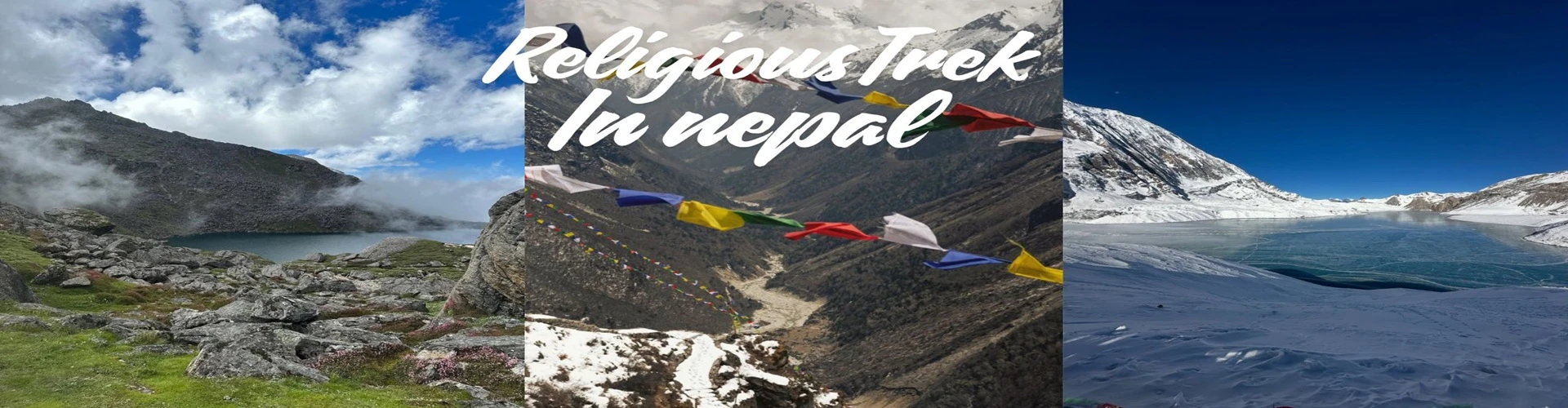
Nepal's religious treks are more than simply trekking in the mountains. They take you to places of spirituality by visiting remote temples at sunrise. You'll bathe in sacred lakes said to have been formed by Lord Shiva. And you'll light butter lamps in mountainside monasteries that look as though they touch the sky.
While Everest is certainly one of Nepal's major attractions, it's home to more than 2,500 monasteries of Buddhism. Plus, there's an abundance of temples dedicated to Hinduism that have been built at elevations over 3,000 meters. The air is thin there. Prayer flags are flown. According to the Department of Tourism, 35% of all trekkers combine their hike with a spiritual visit. This number will continue to grow.
What differentiates a religious trekking experience from a regular mountain hike? A recreational hike will burn calories. But a religious trek will take you on the same trails that religious pilgrims have used for hundreds of years. Sometimes even barefoot. They carry offerings for the gods believed to live in these remote mountains.
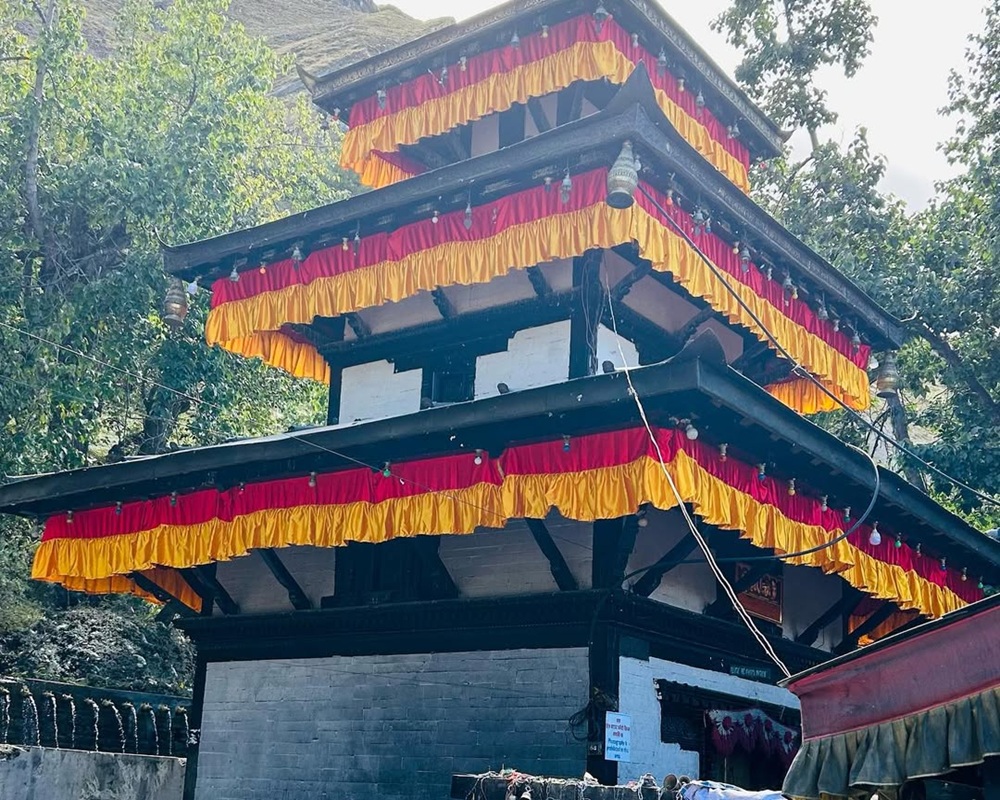
The Muktinath Temple is located at an altitude of 3,710 meters. It's sacred to both Hindus and Buddhists. You'll come across 108 water spouts there. Pilgrims believe sin is washed away with each dip below. But it's important to know that water is straight from the glacier. It's very cold.
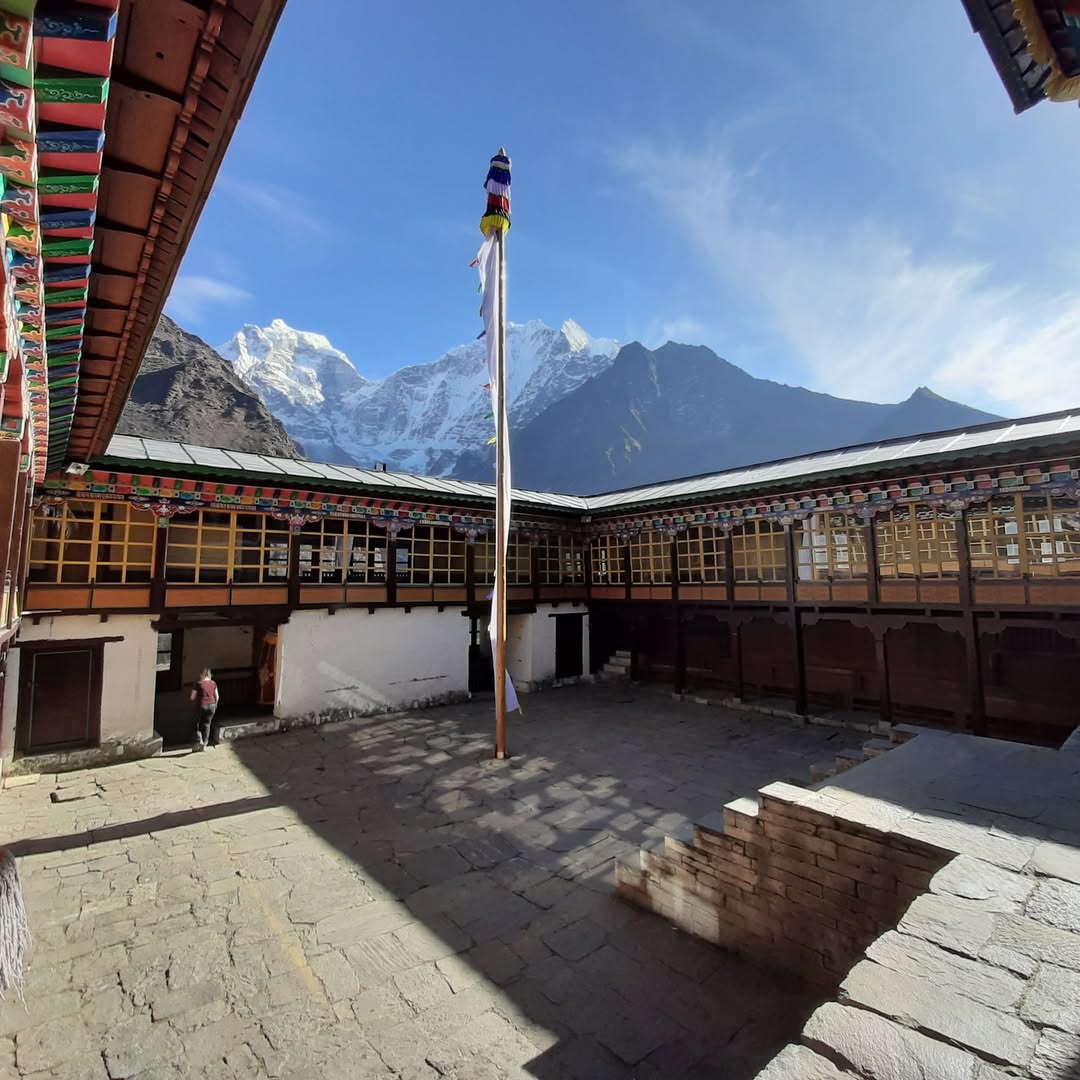
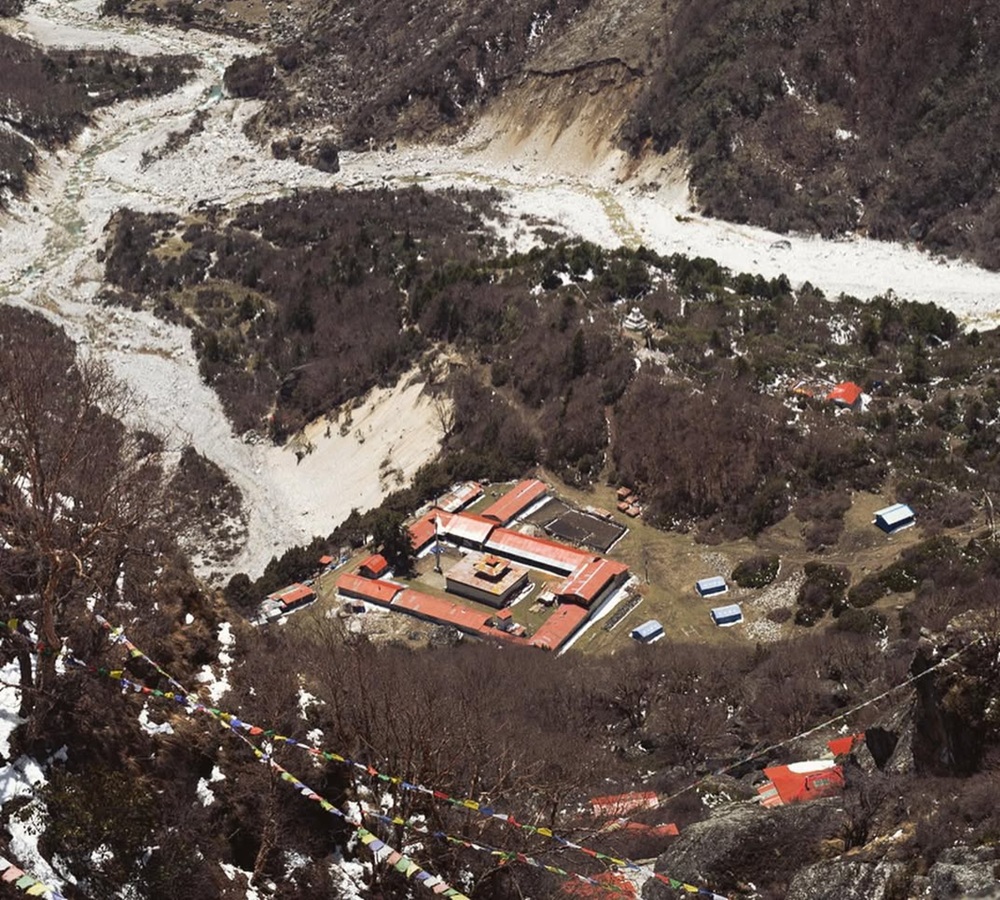
Meanwhile, Mani Rimdu is held in Tengboche Monastery up in the Everest region. Monks don masks and dance out stories of good triumphing over evil. The monastery is 3,867 meters above sea level. It has a clear view of Everest, Lhotse and Ama Dablam.
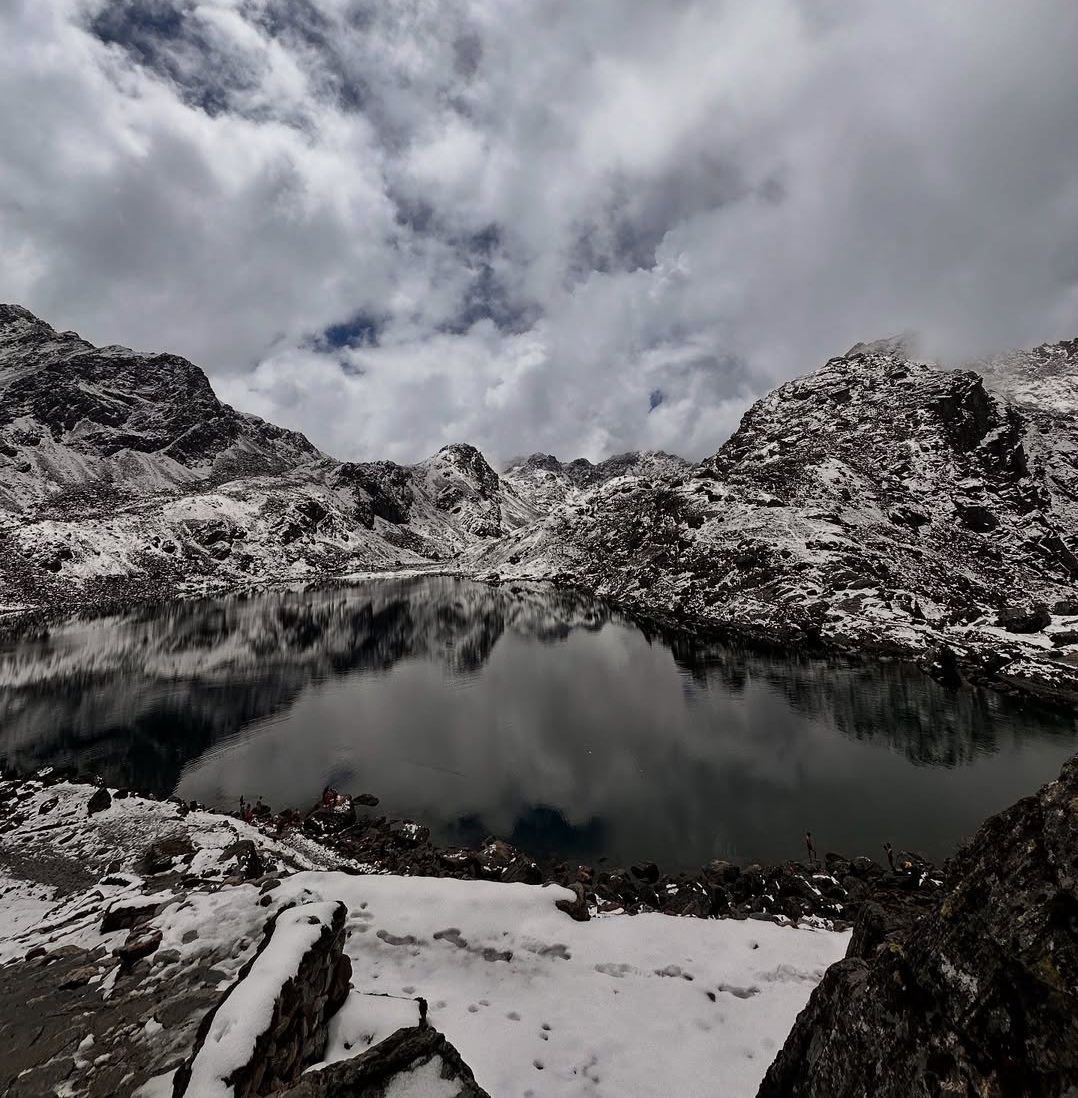
The lake freezes completely in winter. But every August, tens of thousands of religious pilgrims hike there for a whole moon festival known as Janai Purnima. They think that the lake arrived when Lord Shiva punched his trident into the mountain to take a cool drink after drinking poison.
You'll also find Lapchi. These are the caves where Milarepa meditated so deeply that rumor has it his body turned green. Tilicho Lake sits at 4,919 meters. It's another holy place where Hindu pilgrims take a bath.
These aren't simple walks. You'll trek steep trails. You'll stay in basic lodges. You'll cope with the altitude. But if you're interested in how faith endures in the world's highest mountains, these five treks have got that covered too.
108 sacred spouts, eternal flame burning on water, liberation site for Hindus & Buddhists
Pilgrims seeking spiritual cleansing
Moderate
Everest Tengboche Monastery Trek
3,867m
Tengboche Monastery
Largest monastery in Khumbu, Mani Rimdu festival, Everest views
Buddhist culture seekers
Moderate to Hard
Gosainkunda Lake Trek
4,380m
Gosainkunda Sacred Lake
108 holy lakes created by Lord Shiva, Janai Purnima festival
Hindu pilgrims
Moderate
Lapchi Kang Milarepa Cave Trek
4,200m
Milarepa's Meditation Caves
Tibetan Buddhist yogi's retreat, more sacred than Everest for Buddhists
Adventure + spirituality seekers
Hard
Annapurna Tilicho Trek
4,919m
Tilicho Lake
One of world's highest lakes, sacred bathing site
High-altitude adventurers
Hard
1# The Muktinath Pilgrimage Trek
Sacred to both Hindus and Buddhists, Muktinath offers a spiritual journey in the rain shadow of the Himalayas
Detail
Information
Altitude
3,710 meters (12,172 feet)
Location
Mustang District, Gandaki Province
Religious Affiliation
Hindu and Buddhist (shared sacred site)
Hindu Name
Mukti Kshetra (Place of Liberation)
Buddhist Name
Chumig Gyatsa (Hundred Waters)
Main Deity
Lord Vishnu (Hindus), Avalokiteshvara (Buddhists)
Sacred Elements
108 water spouts, eternal flame, ancient temple
Annual Visitors
Over 15,000 pilgrims
Best Season
March-May, September-November
Muktinath is in Mustang, where the wind never stops. Prayer flags flap against looming brown hills. The temple is one of the very few places in the world where Hindus worship together with Buddhists. They come and pray without any conflict. The temple complex dates back over two millennia. The area has been a place of pilgrimage for more than 2,000 years.
The journey to Muktinath includes the hike through the world's deepest gorge, the Kali Gandaki Valley. You'll pass visiting ancient villages, apple orchards and monasteries in loud colors on your way. You'll also traverse suspension bridges slung over roaring rivers. You'll climb stone steps polished slippery by the passage of pilgrims over centuries.
What sets this trek apart isn't only the endpoint. The journey itself transforms people. You'll spot old pilgrims hunched over with small bags. They move at a slow but focused clip in their eyes. Also, the vegetation changes abruptly from green forests to desert-like arid lands once you enter the rain shadow area beneath the Dhaulagiri and Annapurna ranges.
What Does "Mukti" Actually Mean to a Pilgrim?
Absolute liberation from the cycle of births and rebirths: Hindus believe that after a visit to the Temple, one is set free from the chain of birth and death.
A Purifying clean: This is one big bath with 108 spouts. It washes away all the bad deeds of your last 108 lives.
Spiritual awakening and peace of mind: Pilgrims say they feel lighter in their heads after trying the yatra.
Religious obligation: Muktinath is a place where many Hindus go on pilgrimage. They believe that it's one of the 108 Divya Desam temples for them.
Curing ailments of the body and mind: It's locally believed that the hallowed water has healing properties.
Accumulating Religious Merit (punya): The hard journey to reach the shrine is thought of as an act of devotion. In doing so, it generates good karma.
The 108 Spouts: Why Must You Bathe in Freezing Mountain Water?
In Hindu and Buddhist traditions, the number 108 isn't random. It represents the universe. 1 stands for God. 0 represents nothingness. And 8 stands for infinity. So when you get under all 108 spouts, you're symbolically cleansing yourself throughout the cosmos.
The water is fed from underground springs by melting glaciers. That water is cold at 3,710 meters. Your bones would ache. But pilgrims are convinced that each spout cleanses sins from a separate lifetime. Even in the winter, you'll see devotees standing under each spout. Their teeth chatter. Their hands fold into prayer.
The water system is at least 800 years old. It's maintained and managed by the Muktinath Area Development Committee. Not even engineers familiar with the fountain have been able to entirely explain how water pressure is distributed equally among all 108 spouts without using modern plumbing.
Jwala Mai: How Does a Flame Burn on Water Without a Miracle?
In a small shrine alongside the main temple, you'll see an impossibility. Eternal flames burn on water and soil. The locals call this Jwala Mai, the goddess of fire. And it's been burning for hundreds of years without anyone lightening it.
Science says it's natural gas leaking out of rocks. It ignites when it touches oxygen. The Nepal Department of Mines and Geology reported natural methane leakage. But here's the difference. The fire continues to burn in five different places at once: on water, on earth, on wood, on stone and from above.
Fire and water are natural enemies. They shouldn't exist side by side. But on many levels, they're like the yin and yang. They reflect the concept of moksha (liberation) itself.
Who Is the "Lord of Liberation" and Why Does He Live at 3,710 Meters?
Lord Vishnu is recognized as the Preserver of the Universe. But what would inspire a god to choose to appear in such a harsh place? According to Hindu scriptures, Lord Vishnu manifested himself in this area as a Shaligram. This is a sacred black stone found within the Kali Gandaki River.
Also, Avalokiteshvara (the Bodhisattva of Compassion) is worshipped by Buddhists. They see the site as being sacred. The temple incorporates elements from both religious traditions. It includes Hindu deities alongside Buddhist prayer wheels and thangkas.
Elevation is an important theme present throughout many religions. Here, it's reflected through the elevation of 3,710 meters. A worshipper is literally closer to heaven. At high altitude, it's difficult to breathe and walk quickly. So the worshipper slows down. They breathe deeply. They think carefully about their next footfall.
All of these factors encourage meditation. They create a peaceful atmosphere in which to meditate for the benefit of others.
Permits and Entry Fees for Muktinath
Annapurna Conservation Area Permit (ACAP) - Muktinath is in the Annapurna Conservation Area. You need this permit. The fee is NPR 3,000 (around 22 USD for foreigners) and NPR 1,000 for SAARC citizens.
Trekkers' Information Management System (TIMS) Card - This tracking system ensures trekker safety. The cost is NPR 2,000 (about 15 USD) for solo trekkers and NPR 1,000 for agency-organized treks.
Temple Entry Fee
Category
Fee
Foreign Tourists
NPR 200 ($1.50)
SAARC Nationals
NPR 100 ($0.75)
Nepali Citizens
NPR 50 ($0.40)
You can obtain both permits from the Nepal Tourism Board office in Kathmandu or the ACAP entry point in Pokhara. Most trekking agencies include permits in their package price.
How to Reach Muktinath Temple By Trekking
Route 1: Via Jomsom (Recommended)
Fly from Pokhara to Jomsom (20 minutes). From Jomsom, proceed to Kagbeni village (3-4 hours) and Muktinath (5-6 hours). This route takes 2-3 days (both ways).
Route 2: Nayapul (Full Trek)
Drive from Pokhara to Nayapul (1.5 hours). Walk via Tikhedhunga, Ghorepani, Tatopani, Ghasa, Tukuche, Marpha and Jomsom to Muktinath. This entire hike takes 8-10 days.
Route 3: Over The Thorong La Pass (Annapurna Circuit)
Begin in Besisahar and head to the Annapurna Circuit. Cross over Thorong La Pass (5,416m) and hike down to Muktinath. This route is a challenging 12-15-day trek but boasts the most spectacular views.
Route 4: Direct Road Access
You can drive all the way to Muktinath from Pokhara through Beni and Jomsom (10-12 hours on rough roads). But most of the pilgrims and trekkers would rather fly to Jomsom and trek from there so that they get adjusted to the height.
Cost of Muktinath Pilgrimage Trekking
Package 1: Jomsom Muktinath Trek
This 7-day package takes you by flight from Pokhara to Jomsom. Then you'll trek to Muktinath and back again. You'll stay at comfortable teahouses for accommodation. You'll receive three meals a day and have an experienced guide with you at all times. The package includes your permits to trek in the area, your accommodation, meals, guide and porter services and domestic flights.
Group Size
Cost Per Person
1 Pax
$995.00
2-6 Pax
$945.00
7-10 Pax
$895.00
Package 2: Hindu Pilgrimage Tour in Nepal
This is a comprehensive 12-day tour that visits many of the most sacred Hindu temples throughout Nepal. It includes Pashupatinath Temple in Kathmandu, Manakamana Temple in Gorkha, Gosainkunda Lake in Langtang, Janaki Temple in Janakpur and Muktinath Temple in Mustang. You'll also get to see Lumbini (birthplace of the Buddha) and some of the other major temples. It's a full loop trip for the pilgrim who wants to see all of Nepal's great holy sites.
No. of Person
Cost Per Person
Status
2-3
$895
Available
4-6
$815
Available
7-12
$750
Available
Both of these trips are accompanied. Airport transfers, lodging, meals, permits, experienced guides and internal travel are included. But they don't cover international flights, travel insurance or gratuities for any of the staff.
2# Everest Tengboche Monastery Trekking
This monastery is the spiritual heart of the Khumbu region on the trail to Everest.
Altitude
3,867 meters (12,687 feet)
Location
Khumbu Region, Solukhumbu District
Established
1916 (Rebuilt in 1989 after fire)
Religious Order
Nyingmapa sect of Tibetan Buddhism
Resident Monks
Approximately 60 monks
Mountain Views
Everest, Lhotse, Ama Dablam, Thamserku
Main Festival
Mani Rimdu (October-November)
Trek Duration
7-12 days from Lukla
Tengboche Monastery is perched on a hilltop that presides over three valleys and affords you, at nearly 12,400 feet, a 360-degree view of the planet's highest peaks. After days of trekking through rhododendron forests and Sherpa villages, this is where you find yourself. The sight of it is so beautiful that it brings you to a standstill. Everest dominates the view straight ahead. Ama Dablam beckons to the right. And the full Himalayan range spans out on the horizon. This isn't an ordinary monastery. It's the spiritual centre of the Khumbu, a place where every Sherpa climber comes to pray before attempting Everest.
Why is Tengboche the Base Camp of The World?
Everest Region's largest major monastery: At 3,867 meters, this is the most important religious centre before EBC.
Point of the mountaineer's blessing: Every successful climbing expedition pays a visit here for a puja ceremony before giving a shot at dangerous peaks.
House of holy relics: The monastery is home to ancient manuscripts, thangkas, and a statue of Guru Rinpoche that survived a fire in 1989.
School for young monks: Boys as young as six come here to study Buddhist teachings, helping to sustain Sherpa culture.
History and Significance of the Monastery
Lama Gulu established Tengboche in 1916, after meditating in nearby caves. He sought to establish a place where the Sherpa people might practice Buddhism locally, without traveling to Tibet. But the monastery's road has been smooth. Most buildings were destroyed in an earthquake in 1934. Monks reconstructed everything, only to see fire destroy the main hall in 1989. That fire hurt the community. Priceless murals, ancient books and religious artifacts were up in smoke. But Sherpas from all around the region donated and labor to rebuild. The new monastery, better equipped with fire safety systems, opened in 1993.
Festivals Celebrated in Tengboche Monastery
Mani Rimdu: The largest festival is Mani Rimdu, which also takes place at the full moon in October or November. Monks perform mask dances for three days, called Cham or Runs, recounting stories of righteousness in Buddhism, overcoming evil spirits. They dress up in costumes with demon masks and silk robes. Every dance means something. Guru Rinpoche, the saint in dances, depicts how he subdued local demons. The skeleton dance represents the impermanence of life.
Dumje: May Dumje takes place in July and commemorates Guru Rinpoche's birthday with sand mandalas and a special prayer.
Losar: The Tibetan New Year that occurs in February, is marked with festive celebrations of traditional foods and community get-togethers.
Who Was Lama Sangwa Dorje?
The monk Lama Sangwa Dorje established the first monastery in Tengboche. He was born in the late 1800s in Khumbu. Years after studying in Tibetan monasteries, he returned home. According to local stories, he meditated for five years in caves around Tengboche by living on little food and enduring harsh winters.
According to legend, his supernatural abilities included curing ill villagers and predicting the weather. So when he selected the hilltop of Tengboche for a monastery, many people were convinced that the place had inherent energy. After founding Tengboche, he taught a new generation of monks and helped spread Buddhism throughout Khumbu.
How to Reach Everest Tengboche Monastery By Trekking?
Via Lukla (Most Common Route)
Flight from Kathmandu to Lukla (30-35 minutes). Trek to Phakding (3-4 hrs), then hike on to Namche Bazaar (5-6 hrs). Acclimate with a day in Namche. Hike from Namche to Tengboche (5-6 hours). Total: 3-4 days from Lukla.
Via Jiri (Classic Route)
Drive from Kathmandu to Jiri (7-8 hours). Hike to Lukla via Bhandar, Junbesi and Nunthala and move on to Tengboche. This will take you 10-12 days, but it's much cheaper than the Lukla flights.
Via Salleri (Alternative Route)
Fly to Phaplu or drive to Salleri. Trek through Ringmo and Taksindu to get back on the main trail. It takes 7-9 days to complete this route, with solitude to offer.
Cost of Tengboche Monastery Trekking
Package 1: Trek to Everest Mani Rimdu Festival
This 12-day hike lands you at Tengboche during the Mani Rimdu festival. You'll see the entire three-day ceremony, visit with monks and experience Sherpa culture at its zenith. The package comes with the festival rights, donations to the monastery and experienced cultural guides that interpret each ritual.
Group Size
Price Per Person
2 Pax
$1,371.00
3-10 Pax
$1,371.00
Package 2: Everest View Trekking
This 8-day trek is also shorter and goes up to Tengboche, but that's where it stops; it doesn't proceed to Everest Base Camp. Ideal for those short on time or more in love with culture than extreme altitude. You'll have more time to explore the monastery, tour nearby villages and take pictures of mountain scenery without having to worry about reaching EBC.
Group Size
Price Per Person
1-2 Pax
$950.00
3-6 Pax
$900.00
7-12 Pax
$875.00
Package 3: Everest Base Camp Trek for 12 Days (All Inclusive)
This is an all-inclusive trek to Tengboche, followed by the addition of Everest Base Camp and Kala Patthar viewpoint. You'll stay a night in Tengboche on the way up and down, to visit the monastery and festivals if you happen to be there at that time.
Group Size
Price Per Person
1 Pax
$1,560.00
2-4 Pax
$1,460.00
5-10 Pax
$1,350.00
All packages consist of permits (Sagarmatha National Park entry fee and TIMS card), teahouses, 3 meals per day, experienced guides, porters and emergency evacuation services. International flights, Nepal visa, travel insurance and personal gear aren't included.
3# Gosainkunda Lake Trekking
According to Hindu mythology, Lord Shiva created this lake by striking the ground with his trident.
Location
Rasuwa District, Langtang National Park
Lake Type
Glacial oligotrophic lake
Surface Area
13.8 hectares (34 acres)
Maximum Depth
15 meters (49 feet)
Water Temperature
0-5°C year-round (freezes in winter)
Total Lakes in Area
108 sacred lakes
Religious Significance
Sacred to both Hindus and Buddhists
Main Festival
Janai Purnima (August full moon)
Annual Pilgrims
Over 30,000 during festival season
About The Main Destination: Sacred Lake Gosainkunda
At 4,380 meters in the Langtang region, Gosainkunda sits surrounded by white peaks that are reflected in the lake's deep blue water. There's also an ice sheet, which makes it possible to walk on the frozen lake surface from November to April. But in summer, the ice melts, and crystal-clear water is revealed.
Residents say it was made by the hand of Lord Shiva himself. There are stone temples and prayer flags that ring the shore. Langtang Lirung and Ganesh Himal can be seen from a distance on a clear day above the lake. The route winds through dense forests and past Buddhist monasteries, whose monks beckon hikers inside for a warm glass of butter tea.
History
Hindu scriptures such as the Bhagavata Purana and Ramayana refer to Gosainkunda. Its waters are considered to have been created by Lord Shiva when he pierced a glacier with his trident to obtain water to quench his thirst after consuming poison, kālakūṭa. The Tamang and Sherpa people living in the surrounding villages have been safeguarding these lakes for generations. They believe that disturbing the water is bad luck.
In the 1970s, long before Nepal opened to foreign trekkers, anthropologists recorded annual pilgrimages. Thousands walked from India and the lowlands of Nepal to bathe in its freezing waters. Langtang National Park records show the protected area was established in 1976 to conserve fauna as well as religious monuments. Work in the park now includes tracking water quality and restricting construction around the lake to prevent pollution.
Significance
One of the 108 Divya Desams: Sacred Vishnu sites that devout Hindus try to visit in their lifetime
Natural Shiva Lingam underwater visible: In clear sky, you can easily observe the rock formation resembling the shape of Lord Shiva at the bottom of the lake.
Purifying power: A dip is believed to cleanse one of all sins and bestows the benefit of moksha (liberation from rebirth) upon them, according to Hindu teaching.
Medicinal effects: The water can be used to treat skin diseases and joint pain if applied consistently, say local shamans.
Buddhist Meditation Place: Tibetan monks believe that this is a sacred place where Guru Padmasambhava meditated along with several others.
Story of Sacred Gosainkunda Lake That Every Hindu and Buddhist Should Know
The Hindu Mythology of God Shiva
In Hindu mythology, Lord Shiva drank the poison called Halahala to save the universe from destruction. The poison made his throat blue (which is why he would later be called Neelkanth). And the searing heat left him craving cool water. So Shiva plunged his trident into the Himalayan mountain. Three cold streams of water gushed forth to become Gosainkunda Lake. He leaped into the icewater to quench the fire in his throat. When he touched the lake, it became sacred.
The Buddhist Version
According to Buddhists, Guru Padmasambhava meditated at Gosainkunda and blessed its water. The 108 lakes correspond to the 108 beads of a Buddhist mala (prayer necklace). Each lake contains a different spiritual energy that allows practitioners to attain enlightenment more quickly.
This is the grand festival of Gosainkunda. Thousands of Hindu pilgrims ascend to the lake during an August full moon to bathe in holy water. Men all wear a blessed thread, called janai. Priests replace it during the ceremony. Shamans conduct fire rituals on the lakeshore. And devotees carry holy water back home in copper vessels. Also, Buddhist lamas perform prayers at the same time. This is something we couldn't see in any other place where they pray together.
Buddha Jayanti (May Full Moon)
Buddhists celebrate Buddha's birthday in Gosainkunda by meditating and prayer flag ceremonies. Monks chant mantras as they walk around the lake. Devotees light butter lamps that are set afloat on the water.
108 Lakes: Which Ones Are for the Gods?
Saraswati Kund: The Pool of Knowledge
To the south of Gosainkunda, there's a lake called Saraswati Kunda. It depicts a goddess representing wisdom, learning and music. Students and artists come here to bathe, thinking that it enhances their skills. The water is a paler shade of blue than Gosainkunda. And little fish swim close to the surface despite it being freezing.
Bhairav Kunda: The Lake of Transformation
Bhairav Kunda sits above Gosainkunda. It links to Bhairava, a fierce form of Shiva that destroys ego and is associated with the fearful side. The lake itself appears darker and more threatening. Cliffs surround that few pilgrims dare climb.
Gosainkunda: The Lake of Liberation
Gosainkunda is believed to be where Lord Shiva spent time in meditation. It's the most significant and holiest lake, where most of the main ceremonies take place. The hierarchy is from Saraswati (Knowledge) to Bhairav (Fear) up to Gosainkunda (Freedom).
How to Visit Gosainkunda Lake By Trekking?
Via Dhunche (Most Common Route)
Drive from Kathmandu to Dhunche (7-8 hours). Trek to Sing Gompa (5-6 hrs), then Laurebinayak (4-5 hrs) and finally Gosainkunda (3-4 hours). Total: 3-4 days from Dhunche.
Via Sundarijal (Helambu Circuit)
Hike from Sundarijal to Gosainkunda via Chisapani, Kutumsang and Tharepati. It's a 5-6 day trek. But there are beautiful rhododendron forests and traditional Tamang villages to be seen.
Via Syabrubesi (Langtang Valley Combination)
Drive to Syabrubesi. Trek through the Langtang valley up to Kyanjin Gompa. Cross Laubarina La. Then descend downhill to Gosainkunda. This demanding trek is 8-10 days long and joins together two major areas of trekking.
Cost of Gosainkunda Lake Trekking
Package 1: Langtang Gosainkunda Religious Trek (12 Days)
This is a complete package of Langtang valley trekking and visiting Gosainkunda Lake. There will be visits to ancient monasteries. You'll hike through yak pastures. And you'll have extra time to practice meditation or photography at the sacred lake. The trail crosses the Laurebina La (4,610m) pass and then goes through several lakes. Experienced guides are here to pass on local lore and perform simple puja ceremonies for interested trekkers.
No. of Traveller
Cost Per Person
Status
1
$895
Available, Contact Us
2-6
$850
Available, Contact Us
7-12
$795
Available, Contact Us
Package 2: Gosainkunda Lake Trekking
This 7-day concentrated trek takes you directly to Gosainkunda without the extended Langtang Valley section. Great for pilgrims or trekkers on a tight schedule who just want to fast-track to the sacred lake. This package includes everything from permits, teahouse stay, meals, guide and porters for your main luggage.
Group Size
Price Per Person
1 Pax
$700.00
2-6 Pax
$650.00
7-10 Pax
$600.00
Both also include Langtang National Park entry permits, TIMS cards, three meals a day, fluent English-speaking experienced guides and emergency evacuations.
International flights, Nepal visa fees, travel insurance and personal trekking gear aren't included. During the Janai Purnima festival, prices go up 15-20% due to high demand for accommodation.
4# Lapchi Kang Milarepa Cave Trek
A hidden sanctuary for practitioners following the path of the Kagyu lineage.
Altitude
4,200 meters (13,780 feet)
Location
Dolakha District, near Tibet border
Region
Rolwaling Valley
Religious Significance
Sacred Tibetan Buddhist pilgrimage site
Famous For
Milarepa's meditation caves
Main Cave
Lungten Cave (Milarepa's primary retreat)
Trek Duration
14-16 days from Kathmandu
Difficulty Level
Strenuous (remote and high altitude)
Best Season
May-June, September-October
Permit Required
Gaurishankar Conservation Area permit
About Milarepa Cave
Lapchi Kang contains some of the most sacred meditation caves in Tibetan Buddhism. Milarepa, Tibet's most renowned yogi-poet, spent years in meditation within these remote caves during the 11th century. The main group of caves is located in the upper reaches of the Rolwaling Valley, surrounded by high peaks and glaciers.
Tibetan pilgrims still make the pilgrimage here to pray and seek the blessings of the monastery. And the caves have ancient murals, hand-carved scriptures and meditation seats that have been polished smooth by centuries of use. They hold the very spiritual energy Milarepa left there more than 900 years ago.
Main Highlights of the Milarepa Cave in Lapchi Kang
Milarepa's original meditation caves: 6 important caves where Milarepa meditated and practiced tantric Buddhism.
Stone Handprints and Footprints: Marks which are said to have been left in the rock by Milarepa in deep meditative states.
Ancient Buddhist murals: Worn-down paintings which show Milarepa's life and the Buddha on the walls of caves.
Lungten Cave monastery: Tiny working monastery by resident monks who guard the sacred site.
Tibetan pilgrimage circuit: Old kora (circumambulation) around the mountain used by pilgrims.
Dramatic views of the Himalayas: Face-to-face with Gaurishankar, Melungtse and Tibetan peaks.
Off the beaten track trekking: One of Nepal's least visited trekking areas, with wild nature.
Who Was Milarepa?
Milarepa (1052-1135) became Tibet's most famous Buddhist saint. He was initially a black magician who used dark spells to murder people and seek revenge for his family's ill-treatment. But upon realizing the horror of his activities, he later went seeking forgiveness from his teacher Marpa. After years of demanding practice, Milarepa withdrew to meditate in the caves of Lapchi alone. He lived on nettle soup for so long that his skin started to turn green from chlorophyll. This extreme commitment demonstrated his transformation from killer to enlightened teacher. And his poetry about the practice still motivates Buddhists today.
Lapchi Is More Sacred Than Everest But Why?
Milarepa's spiritual realization: He attained full enlightenment at this place, so it's a power point. Meditation there is easier.
Tantric Buddhist importance: Lapchi is one of the 24 power places as described in tantric Buddhism, where great siddhas gathered.
Guru Padmasambhava blessed it: Guru Rinpoche also meditated at this site before Milarepa.
Living spiritual tradition: Monks and followers practice meditation in the caves for long contemplative retreats that maintain ancient disciplines.
Many enlightened teachers: Aside from Milarepa, other great yogis attained realization in these caves. They have become charged with the energy of spiritual practice.
The 6 Enlightened Features at Lapchi Kang Milarepa Cave
Lapchi Monastery
The little monastery stands at the foot of those caves. Its resident monks are in charge of caring for the sacred places. There are ancient thangkas, Buddhist texts and a main prayer hall where monks perform daily rituals. And the monastery offers simple lodgings for pilgrims and trekkers.
Lapchi Village
The remote Sherpa village is the access point for the caves. Villagers hold firm to their Buddhist traditions. You'll pass prayer wheels, mani walls and homes decorated with religious paintings. Village homestays include traditional Sherpa meals and stories about the life of Milarepa.
Yuthok Cave
This cave has a name from a well-known Tibetan doctor. It contains a natural spring that pilgrims consider to have healing qualities. The water remains ice-cold all year round. And locals bottle it to treat various health problems. Inside are murals showing medical tantras and healing deities.
Ze Phung Cave
This cave has a special kind of sound. When the monks chant here, you can hear their chants across the valley. Buddhist monks use it for mantra recitation. The mouth of the cave is on a cliff face, making it hard to reach.
Dul-Dul Cave
It's said that Milarepa subdued wild demons here. He scared away the troublemakers who interrupted his meditation. The cave has a low ceiling and a narrow entrance. So visitors must bow down to demonstrate humility before crossing the threshold of sacred space. Handprints in the rock are said to mark where Milarepa pressed his hands against the wall of the cave during his intense practice.
Lungten Cave
An important cave where Milarepa meditated for the longest time. A small shrine marks the very place where he seated himself. And pilgrims who come after him bring offerings of butter lamps, incense and kata (white ceremonial scarves). Despite its altitude, the cave is amazingly warm. Locals attribute this to Milarepa's spiritual heat being embedded in the rocks.
How to Reach Lapchi Kang Milarepa Cave By Trek?
Via Simigaon (Standard Route)
Drive from Kathmandu to Charikot (5-6 hours), then continue the same day to Simigaon village (2-3 hours). Trek to Lapchi via the Gyalche, Beding and Na villages. This is an easy 7-8 day trekking route across the Rolwaling Valley amidst awesome mountain scenery.
Via Dolakha (Direct Route)
Drive to Dolakha town. And the trek continues to Bulung village. Trek directly to Lapchi via a less-travelled route. This is the shorter route (5-6 days) but a steeper and more difficult trail with fewer facilities.
Through Tashi Lapcha Pass (Advanced Route)
Combine it with the Rolwaling trek by going over the Tashi Lapcha pass (5,755m) from the Khumbu side. This very tough trek takes 18-20 days and requires climbing skills in using ropes and ice axes.
Lapchi Kang Milarepa Cave Trek Cost
Package: Lapchi Kang and Milarepa Cave Trek
This 16-day trip leads you deep into one of Nepal's most distant valleys. You'll hike through virgin forest. You'll cross high passes with views of Gaurishankar and Melungtse. And you'll visit all six primary caves of Milarepa. The price includes camping gear and guides fluent in Buddhist history. It also includes yaks in areas without roads. As this is a fairly remote trek, costs depend on group size and season. For current pricing and availability, contact Mountain Rock Treks directly.
5# The Annapurna Tilicho Trek
At nearly 4,919 meters, Tilicho is one of the highest and most stunning lakes in the world
Altitude
4,919 meters (16,138 feet)
Location
Manang District, Annapurna region
Lake Type
High-altitude glacial lake
Surface Area
4.8 square kilometers
Maximum Depth
85 meters (279 feet)
Water Source
Glacial melt from Tilicho Peak
Religious Significance
Sacred bathing site in Hindu texts
Best Season
April-May, September-October
Trek Duration
6-20 days depending on route
Difficulty Level
Moderate to strenuous
Overview
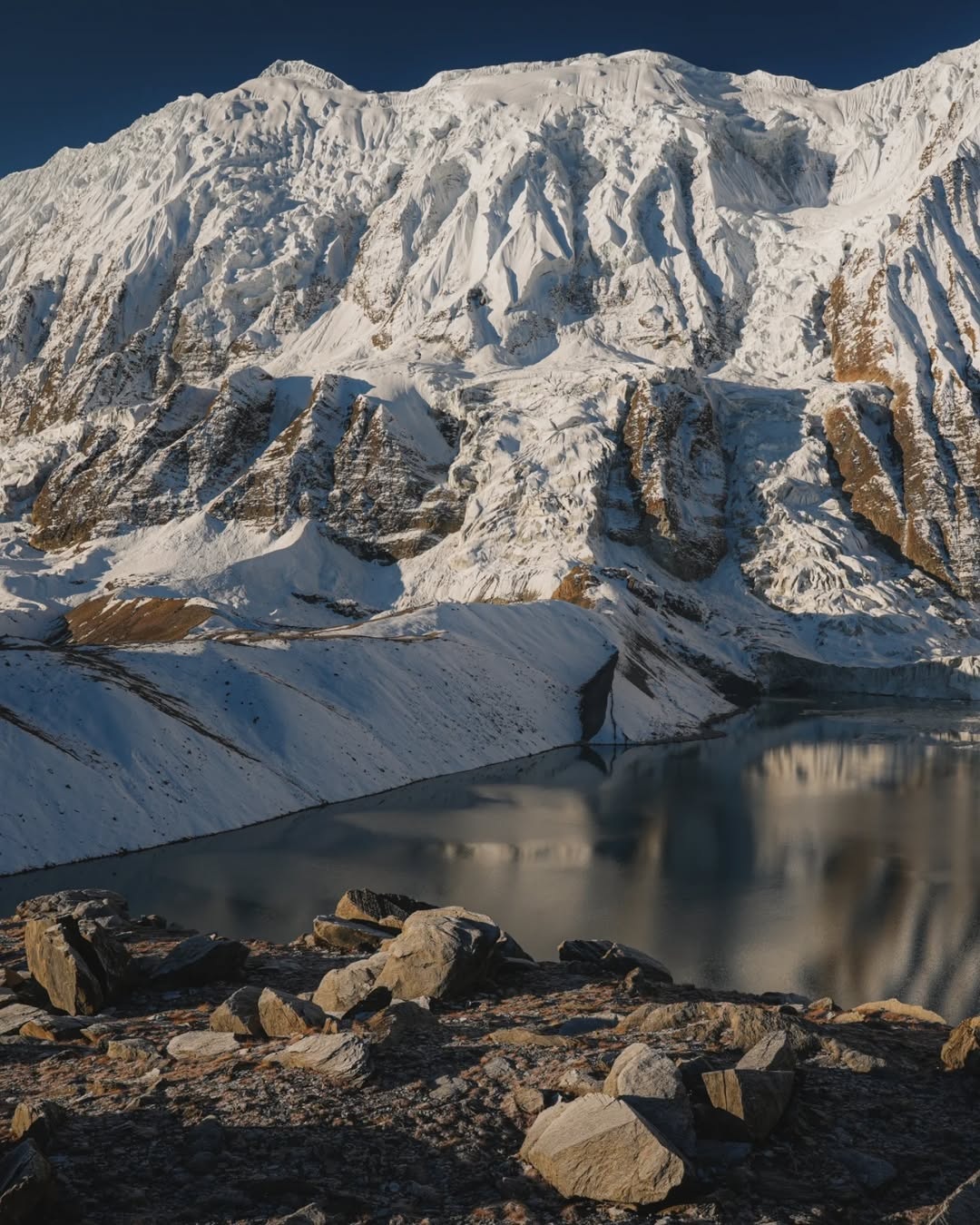
Tilicho Lake sits in a large glacial basin at an altitude of 4,919 meters. It's one of the world's highest lakes. The turquoise water here is almost 5km long. It's encircled by Tilicho Peak (7,134m), Nilgiri and many other massive peaks that form a natural amphitheater.
The journey carries you across the Annapurna Circuit's less-frequented northern path. Avalanches can shut the trail. And the weather changes in minutes. But once you reach the lake, every hard step is worth it. At sunrise, the mountains turn gold. They reflect in the still lake water.
Why Is Lake Tilicho Considered Sacred?
The ancient Hindu scripture Ramayan refers to Tilicho as a teerth or holy place for pilgrims to bathe in. Also, sages and gods are said to have meditated at this high-altitude lake in the Ramayana and the Mahabharata for spiritual powers. Local Gurung and Manangba people consider the lake to be filled with healing energy, and shamans gather the water for religious rituals.
Plus, taking a bath in Tilicho's cold water is a way of purification also believed by Hindus, like Gosainkunda. Its remote and harsh environment further enhances its holiness. It can only be reached with hardship and faith, which is a test of the pilgrim's commitment. At the surrounding monasteries, Buddhist practitioners also come for meditation retreats. They say the altitude and isolation help with deeper focus.
The Main Highlights of the Annapurna Tilicho Hike
One of the highest lakes in the world, at 4,919 metres above sea level, and with turquoise waters to match.
Tilicho Base Camp at 4150m with panoramic views of Annapurna and Nilgiri
Optional Mesokanto-La Pass (5,099m) for experienced trekkers to get linked with Jomsom.
Authentic Tibetan Buddhist culture and monasteries in the old Manang villages
Subtropical jungle to high desert landscapes over a few days.
Thorong La Pass (5,416m), when added to the complete Annapurna Circuit.
Places to see: If lucky, you can spot blue sheep and Himalayan tahr along with snow leopards.
Is Tilicho Really the Highest Lake in the World?
The ancient Hindu scripture Ramayan refers to Tilicho as a teerth or holy place for pilgrims to bathe in. Also, sages and gods are said to have meditated at this high-altitude lake in the Ramayana and the Mahabharata for spiritual powers. Local Gurung and Manangba people consider the lake to be filled with healing energy, and shamans gather the water for religious rituals.
Plus, taking a bath in Tilicho's cold water is a way of purification also believed by Hindus, like Gosainkunda. Its remote and harsh environment further enhances its holiness. It can only be reached with hardship and faith, which is a test of the pilgrim's commitment. At the surrounding monasteries, Buddhist practitioners also come for meditation retreats. They say the altitude and isolation help with deeper focus.
How to Visit Annapurna Tilicho Trekking?
Via Besisahar (Classic Annapurna Circuit Route)
Drive from Kathmandu or Pokhara to Besisahar, which takes 6 to 7 hours. Then hike up to Manang via Bahundanda, Chamje, Dharapani, Chame and Pisang over 6 to 7 days. From Manang, follow a side trail to Khangsar village, then Tilicho Base Camp and the lake over 2 to 3 days. After that, head back to Manang and complete the circuit over Thorong La Pass, or retrace your steps.
Via Chame (Shortened Route)
Drive all the way to Chame, which cuts a few days off the trek. You pass through Upper Pisang and Manang before arriving at the Tilicho route. This cuts 3 to 4 trekking days off the trip, but it results in less adjustment time and higher chances of altitude sickness.
Via Jeep to Manang (Fastest Access)
Do Jeep hiring from Besisahar or Chame to Manang Village directly by 4WD. It takes around 8 to 10 hours on rough roads. Then trek to Tilicho Lake in 2 to 3 days. People with not much time might consider this option as it's excellent, but you've got to be careful about the acclimation.
Via Jomsom (Reverse Route)
Take a flight to Jomsom from Pokhara, cross Thorong La Pass, descend to Manang and follow the Tilicho circuit. This walk in reverse is good for acclimatization, so you slowly gain altitude from Jomsom's 2,700 meters.
Cost of Annapurna Tilicho Trekking
Package 1: Tilicho Lake Trek and 4WD Jeep Drive - 6 Days
This quick paced package is ideal for travelers with limited time. You’ll drive from Kathmandu to Manang in a 4WD jeep, shaving off some early trekking days. Hike from Manang to Khangsar, then Tilicho Base Camp and the lake itself before heading back. The Jeep ride is bumpy, yet it shaves off 5 to 6 days walking from Besisahar.
You’ll also sleep in no-frills teahouses, eat classic dal bhat and have knowledgeable guides who know the prime spots to shoot photos at and good times to visit lakes. This itinerary is perfect for those who wish to see Lake Tilicho but don’t have time to complete the full 20-day Annapurna Circuit.
Number of Passengers
Price per Person
1 PAX
$1,100.00
2-5 PAX
$750.00
6-10 PAX
$600.00
Package 2: Annapurna Circuit Trek with Tilicho Lake - 20 Days
This is a complete trek which includes the entire Annapurna Circuit with an excursion towards Tilicho Lake.
You'll begin in Besisahar, then hike through several climate zones from tropical forest to alpine desert, see Lake Tilicho, cross Thorong La Pass at 17,769 feet and descend through Muktinath into Jomsom.
A longer trek plan is suitable for acclimatization and reduces the chances of altitude sickness. In the villages, you'll live in genuine Gurung and Thakali culture, sleep in nice teahouses and have rest days to explore Manang.
The cost covers all permits, ACAP and TIMS, three meals a day, rooms, experienced guides, a main luggage porter and emergency rescue insurance.
Dipak starts to step up from porter, guide, and trekking leader to the company owner. Sometimes he share his experience with others as well as wrote in local travel news. Most of time he spend his time on mountain and his company.