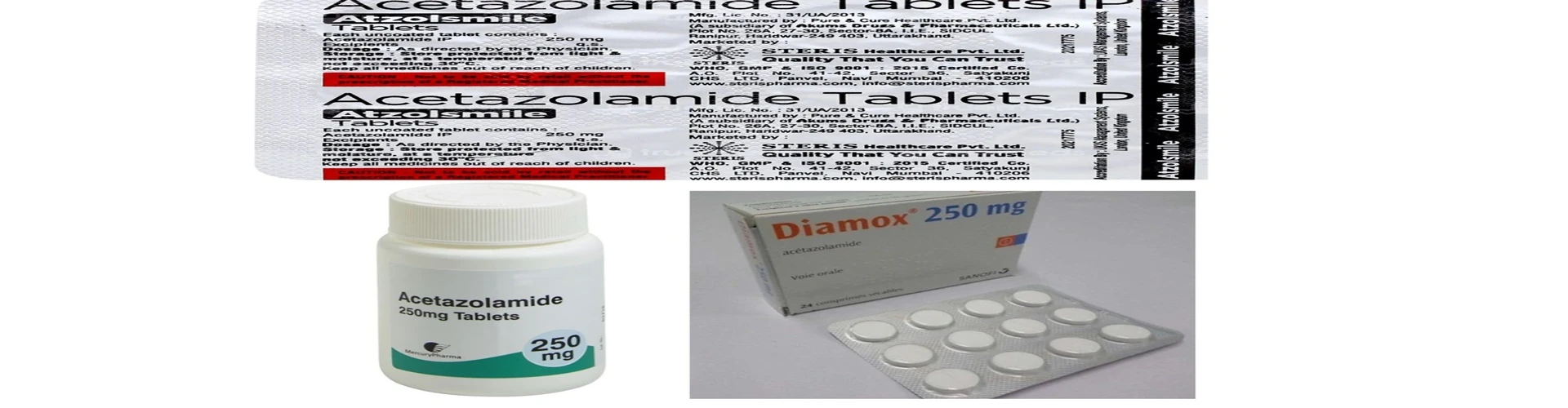
When planning your Manaslu Circuit Trek, learning how to use Diamox (acetazolamide) ahead of time will help. It'll help your body acclimatise to the high-altitude trekking environment more easily. It's a prescription drug that many trekkers use to prevent the onset of altitude sickness. Or to reduce the severity of symptoms associated with altitude sickness due to increased elevation. While Diamox isn't a cure for altitude sickness, it does provide support to the body while ascending to higher elevations.
We recommend that you begin taking Diamox approximately 24 to 48 hours before beginning your trek. Ideally, before leaving Kathmandu or getting to the low altitude valleys. This will allow the drug to build up in your body. So you can receive the benefits of its effects on acclimatisation and breathing when you start climbing.
After starting your trek, continue to take the drug while ascending through progressively increasing elevations. Many trekkers also continue to take the drug for approximately one to two days after reaching their highest point on the trek. And before beginning to descend back down.
The most common dose of Diamox for most trekkers is 125mg two times a day. One dose in the morning. The other in the evening. Some hiking resources and healthcare providers recommend a maximum of 250mg two times a day. But it's best to follow the advice of a healthcare provider for your needs and trekking plan.
Diamox is most effective when taken with water or food. It's essential to drink plenty of fluids. Diamox can cause increased urinary output. Individual reactions to Diamox may vary. So remember that all trekkers need to use it as an aid. Plus, combine it with good hiking practices throughout the Manaslu Circuit. Ascend slowly. Keep hydrated. Take breaks. And listen to your body.
Always consult a healthcare provider before using any medication. They'll determine the best time and dosage for your health and trekking schedule.
When is the Right Time to Take Altitude Sickness Pills for Manaslu Circuit Trek?
The right time to take altitude sickness medication (like Diamox) while trekking the Manaslu Circuit is simple. Start before experiencing symptoms like dizziness, headache, or nausea. And at least 24-48 hours before sleeping at high elevation (above 3000 meters).
As a travel agency with 20+ years of experience in Nepal trekking, we'll provide the same practical advice our trekkers and guides use, rather than a medical explanation.
Most trekkers begin taking altitude medications 24-48 hours before sleeping at high elevations. On the Manaslu Circuit, you'll likely need to start about one full day before travelling to remote villages like Samagaun. The earlier you start, the better it'll prepare your body to adjust to lower air pressure at high elevations. Early use significantly reduces your chances of experiencing headaches, nausea, or dizziness.
As you travel higher, continue using altitude medications. Also, use them when you have the greatest elevation gain between camps. Continue until you've crossed the Larke La Pass. After that, the oxygen concentration in your blood has likely increased.
Altitude medications are only one way to support your body's acclimatisation. The best way to add support is to travel at a comfortable pace. Drink plenty of water. Eat a healthy diet. And rest often.
Important Note: We are not physicians. So we highly recommend you speak to your physician before taking altitude medications (including Diamox).
Trek Stage / Time
Exact Timing
Common Dosage
Why This Time Works
Before higher altitude
24–48 hours before sleeping above 3,000 m
125 mg, twice daily
Helps body adjust before oxygen drops
During ascent days
Every morning and evening
125 mg, twice daily
Supports acclimatization while climbing
High point (Larke La Pass)
Continue through pass day
125 mg, twice daily
Reduces risk at highest elevation
After descent begins
Stop 24 hours after major descent
Stop unless advised
Body gets more oxygen
When Should You Start Taking Diamox (acetazolamide) for Your Manaslu Circuit Trek?
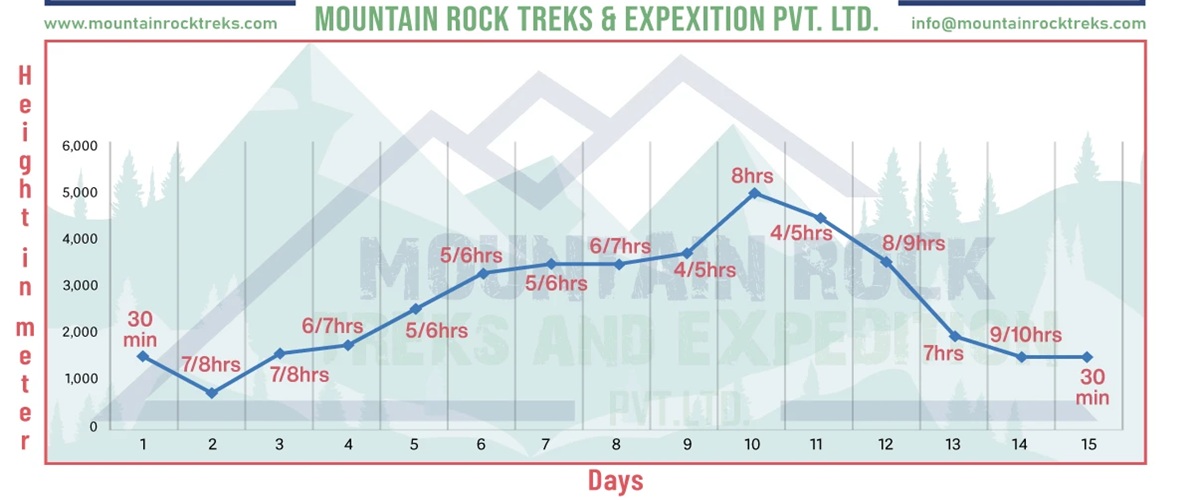
Manaslu Ciricuit Trek Altitude Chart
Total medication days: 10.5 days (Day 3 evening through Day 13)
Total pills needed: 21 tablets minimum
Recommended to pack: 24–26 tablets (includes backup for delays)
Diamox contains acetazolamide. It's often prescribed to trekkers experiencing altitude sickness on long Himalayan treks. It provides time to adjust to increased elevation.
To get the full benefit, it should be taken before ascending to very high altitudes. Most travellers who use Diamox start taking it at least 1-2 days before gaining significant altitude. They use a twice-daily schedule (morning & evening). And continue taking it during their climb until they get back down to a safe altitude.
The following provides day-to-day information on how to take your Diamox (acetazolamide) while climbing Manaslu.
Not at high altitude yet — body doesn't need medication support
Day 2
Machha Khola (~869)
Trek start
No Diamox needed
—
Actually going lower in altitude than Kathmandu — no risk yet
Day 3
Jagat (~1,410)
Trek
Evening: 6–7 PM (before sleep)
125 mg (1 tablet)
✅ IDEAL START: Begin 24–48 hours before crossing 2,500m threshold tomorrow
Day 4
Deng (~1,860)
Trek
Morning: 7–8 AM & Evening: 6–7 PM
125 mg ×2
Medication building up in your system before altitude increases significantly
Day 5
Namrung (~2,630)
Trek
Morning: 7–8 AM & Evening: 6–7 PM
125 mg ×2
You've crossed 2,500m mark — medication now actively protecting against AMS
Day 6
Shyala (~3,575)
Trek
Morning: 7–8 AM & Evening: 6–7 PM
125 mg ×2
Major altitude gain (+945m) — critical protection day for your body
Day 7
Samagaon (~3,520)
Trek
Morning: 7–8 AM & Evening: 6–7 PM
125 mg ×2
Supports your body's acclimatization process at high altitude
Day 8
Samagaon (~3,520)
Rest/Acclimatize
Morning: 7–8 AM & Evening: 6–7 PM
125 mg ×2
Don't skip! Rest days still need medication — body continues adjusting
Day 9
Samdo (~3,875)
Trek
Morning: 7–8 AM & Evening: 6–7 PM
125 mg ×2
Climbing higher into thin air — continuous protection essential
Day 10
Samdo (~3,875)
Rest/Acclimatize
Morning: 7–8 AM & Evening: 6–7 PM
125 mg ×2
Second acclimatization day — maintain dosing for proper adjustment
Day 11
Larkya Phedi (~4,460)
Trek
Morning: 7–8 AM & Evening: 6–7 PM
125 mg ×2
Pre-pass preparation at very high altitude — very important day
Day 12
Larkya La (5,160) → Bimthang (~3,590)
Pass crossing & Descent
Morning: 7–8 AM & Evening: 6–7 PM
125 mg ×2
MOST CRITICAL DAY — Highest altitude (5,160m) requires maximum protection
Day 13
Dharapani (~1,963)
Descent
Morning: 7–8 AM & Evening: 6–7 PM
125 mg ×2
Continue 1–2 days after peak altitude per medical guidelines — body still adjusting
Day 14
Drive to Kathmandu (~1,400)
Travel
Can stop now
—
Back below 2,000m — safe to discontinue medication
Day 15
Depart Kathmandu
Departure
No Diamox needed
—
Journey complete — normal altitude, no medication required
Why We Recommend Day 3-4 for Most Trekkers
Having arranged hundreds of Manaslu Circuit treks, we have observed a distinct trend. Trekkers who begin their altitude pills around Jagat or Deng do much better in the higher parts than those who wait. They sleep better in Samagaon, have fewer headaches around Samdo and cross the pass with more pleasure.
It takes around 6-12 hours for the drug to function in your body. Starting the evening before, as you climb toward Namrung, will give you a head start.
Getting to know the 2,500 Meter Sweet Spot
You'll be under 2,500 meters for your first four trekking days. The path meanders through the warm valleys, over suspension bridges and is decorated with lovely village scenes. All at very comfortable altitudes. Day 5, however, you'll step up to Namrung at 2,630 meters. And the altitudes will start to affect people.
The Lower Valley Days (Days 1-3)
Your first three days are filled with some of the most beautiful lowland scenery in Nepal. The trail runs alongside the Budhi Gandaki River, terraced rice fields climb up the hills, and the temperature remains comfortably warm. Machha Khola’s 869 meters seem almost tropical when compared with what is ahead.
We always tell our trekkers: enjoy these days of walking without medication. You're getting your legs ready for the trek. Also, you're getting used to the daily rhythm of walking. And keeping your pills for when altitude will really become a problem. Why bother with tingling fingers and extra bathroom trips when you're still below Kathmandu's elevation.
The Transition Period (Days 4-5)
Deng on Day 4 is a significant change indicator. You've moved up to 1,860 meters. It's still not high altitude. But close enough to be aware of it. That's the reason why the timing of your medication is so well coordinated.
If you take the Day 3 pill in the evening or the Day 4 one in the morning, the medicine starts to work during the night. And by the time you're climbing to Namrung the next day, you already have a protection building.
The ascent between Deng and Namrung is 770 m in a day. That's a noticeable jump. Climbing is so much easier to do when you have medication running through your system. Our trekkers who stick to this timing usually get to Namrung, fresh and hungry for dinner, while those heading off after have often complained of having a headache by nightfall.
The Serious Altitude Zone (Days Six to 12)
Day 6 presents the lower section's steepest climb: 945 meters from Namrung to Shyala. You will certainly feel the thinner air during this stretch. You start to breathe a little faster, your heart has to work harder, and even relatively mundane activities like climbing stairs to the bathroom seem that bit more draining. This is precisely where Diamox comes in handy.
Days 8 and 10 are scheduled rest days at Samagaon and Samdo. Here's a huge mistake many trekkers make: they discontinue pills because "we're not going any higher today." Even while you're at rest, your body continues to adjust to altitude. In fact, these days of rest are when the most significant internal changes occur. Continue to take your medicine as directed.
Crossing the Larla pass on day 11- 12 is the Climax of your trek, arriving at the top. You're sleeping at 4,460 meters above sea level, and you cross a pass at 5,160 meters. By now, you'll have been on Diamox for 8 to 9 days. Your body has accommodated far more than it would have without the medication in your system to smooth things over and make the passing more pleasant.
Coming Back Down (Days 13-14)
After the thrill of Larkya La, you drop quickly to Bimthang and then down to Dharapani. On Day 13, you find yourself 1,963 meters downstream of where you started swallowing pills. It's the reason Day 13 is your last day to take your medication.
You're driving through normal height valleys on Day 14 and are able to stop. Some trekkers are ready to stop after the very first pass. We don't recommend this. Your body still needs a little bit of help in the first day or two of descent. Following through with Day 13 doses completes the protection properly.
How Many Pills to Pack?
Medication Period: from the evening of day 3 to the evening of day 13 (10.5 days)
Pills per day: 2 (one in the morning, one in the evening)
Minimum required: 21 tablets
Our recommendation: 24-26 tablets
That extra 3-5 pills is valuable. Manaslu is no stranger to weather delays during the monsoon season. We’ve had clients trapped in Samdo clear for two additional days due to the snow. We have witnessed the landslides extend an unanticipated night in Deng. That way you have a pill backup and won’t fret if your itinerary changes.
Your Daily Routine For Taking Diamox for Manaslu Circuit Trek
Morning Timing (7–8 am)
Swallow your first pill at breakfast. The tea houses offer breakfast between 6:30 and 7:30 am, so that suits us well. Also, eating prevents any possible uptick in nausea from the medication.
Morning tea Your guide will wake you up at around 6 am with a cup of hot cocoa tea. In the meantime, take your pill and eat breakfast. The medication begins to be absorbed by the time you're walking.
Evening Timing (6–7 pm)
Your second pill lines up neatly with dinner. The majority of tea houses provide dinner from 6-7 in the evening. Take your pill whenever you sit down to eat and repeat.
This schedule gives you about 12 hours between doses, plus it helps to maintain consistent levels of the medication in your body. Consistency is more important than exact precision, so if dinner is late and you take it at 7:30 pm, not at 6:30 pm, that's O.K.
Setting Up Reminders
It's easy to forget once you're tired after a long trekking day. So have your phone make two alarms per day on: 7:30 am and 6:30 pm. Also, keep your pill bottle in a pocket of your daypack, where you can reach it easily, not buried in the duffel bag carried by the porter.
You'll settle into taking your pills after 3-4 days, like brushing your teeth. But those early reminders are what you're using to build the habit.
Important Disclaimer
We're travel organisers, not doctors. The information above is based on our several years of experience planning Manaslu circuit treks, and altitude medication in general. Please consult a professional medical advisor for anything that you are unsure about.
Before you take Diamox or any altitude drug:
Consult a doctor or travel medicine specialist
Tell your entire medical history, especially of allergies (particularly sulfa).
Tell other drugs you're taking
Be Properly Prescribed for Your Individual Health Needs
Not everyone's body adjusts to altitude or medicine in the same way. What is suitable for one trekker may not be right for you. Your doctor will be able to recommend something that is personal to your individual health status.
If you experience any strange or serious side effects while on your trek, notify your guide and seek medical help. Our guides are experienced in mountain sickness detection, but are not doctors. You are responsible for your own good health. Use this as a reference, but always follow your doctor's specific instructions for your situation.
What We've Learned from Years of Experience About Taking Diamox?
Patterns We See with Successful Trekkers
Our guides have guided this trek hundreds of times. Trekkers following the day 3-4 starting schedule generally do much better. They are more lively in the area around Samagaon. They sleep better in Samdo. They do seem to relish Larkya La Pass rather than merely survive it.
Trekkers who wait until they “feel symptoms” have a tough time. By the time you have headaches or feel nauseous, you’re already late. The medication, more than anything else, is best at preventing illness, not treating it.
Common Questions from Our Trekkers
What if I feel fine without it?
Great! But altitude sickness can sometimes arrive without warning. You might feel great at Samdo, and then terrible once you get to Larkya Phedi with headaches. The drug had been very effective in lowering that risk.
Can I share pills with my trekking partner if they run out?
Technically possible but this is just not something we’d advise you to do. Everyone needs to bring his or her own supply. People have differently personal medical histories that might not make sharing safe.
What if I forget a dose?
Take it as soon as you remember, unless it's almost time for your next dose. Then just keep doing the regular thing. It never hurt anyone to miss one dose, but try to be consistent.
Recognizing When You Need More Than Pills
Even on Diamox, look for these red flags:
Intense headache that doesn’t get better with pain medication
Vomiting or refusal to eat at all
You are feeling so tired that you can hardly walk
Difficulty breathing even while resting
Confusion or trouble walking straight
If you have any of these signs, let your guide know right away. Diamox reduces the risk, but it doesn’t promise complete protection. Sometimes you have to come down, whether you are medicated or not.
Our guides are equipped with emergency oxygen and other medications, and they’re trained to recognise serious altitude problems. If they say to get down, other than not wanting to or it being difficult, trust their judgment.
The Limits of Medication
We always tell our trekkers, Diamox is a helpful measure, not magic. It lowers your risk for altitude sickness, but it can’t eliminate all risks. Truly effective acclimatisation still relies on climbing slowly, drinking lots of fluids and listening to your body. Consider it as a kind of seatbelt. It adds significantly to your safety, but it does not mean you can drive carelessly. Likewise, Diamox provides enormous benefits, but you should still trek smartly.
How Long to Take Diamox on Manaslu Circuit
Have Diamox for 10-11 days overall Manaslu Circuit Trek. Begin on Day 3 evening (Jagat) or Day 4 morning (Deng), all through your trek and acclimatisation days, and end on Day 13 upon arriving in Dharapani.
Starting Point: Day 3-4
Start your medication even when you're in Jagat (1,410m), or Deng (1,860m), which is between 24-48 hours before you reach the critical mark of 2,500 meters at Namrung. Also, the earlier start gives the medicine time to work in your system before you need it proactively.
Continuing Through: Days 5-12
Continue to take your pills (morning and evening) for the entire climbing period. This is for all days of hiking and your rest days in Samagaon (Day 8) and Samdo (Day 10). Many trekkers skip doses during rest days, but don't do that! Your body keeps acclimating at altitude, even if you aren't climbing.
On Day 12, you reach the trip's highest point, Larkya La Pass (5,160 meters). So this is your most important day for the meds. Take both doses as scheduled.
Stopping Point: Day 13-14
On Day 13, take Diamox while descending to Dharapani (1,963 m). This is in line with medical recommendations of keeping drugs for 1-2 days after you have reached your highest point. But on the drive back to Kathmandu at low elevation by Day 14, you safely stop.
Why This Duration Works
This 10-11-day itinerary keeps you safe the whole time you are trekking at high-altitude. Plus, you're best all the way from your first 2,500 m crossing to your descent back to a safe elevation. Beginning before Day 3 is just wasteful, but ending prematurely before Day 13 shortchanges your immune system at a time when it can use the extra help.
The timing we suggest is based on our leading hundreds of successful Manaslu treks, in which trekkers walk the same number of days and acclimatise very well to the height. Consult the doctor for how long to use Diamox for your manalsu circuit trek.
Diamox Dosage Recommendations for Manaslu Trek
Most Manaslu trekkers will take 125mg twice a day in the morning and evening. This lower dose is both effective for altitude protection and reduces some side effects, such as the tingling fingers and increased urination. Below are some of the dosage options:
Diamox dosage 125 mg for altitude sickness
The 125mg tablets, twice daily (7-8 AM with breakfast and then around 6-7 PM with dinner), are the most frequently used by our trekkers. This produces a 12-hour space between the doses, which keeps the drug at steady levels in your system.
This dosage works well for:
First-time high-altitude trekkers
Subjects who had not previously experienced altitude sickness
Typical Manaslu Circuit trails, including acclimatisation days
Trekkers who seek high coverage and low side effects
Diamox 250 mg dosage for altitude sickness
Some situations require a higher dosage. Your doctor may prescribe 250mg twice daily if you have
Have suffered from serious altitude sickness on a previous trek
Ascend more quickly than the standard itinerary
Have a medical condition that puts you at increased risk of altitude issues.
Require dosing at the treatment level, not for prevention.
But with more medication comes more potent side effects. Your fingers tingle more than ever, your trips to the bathroom multiply tenfold, and carbonated drinks taste weirder. Only increase your dosage with your doctor's specific guidance.
Splitting Tablets for Customized Dosing
If you have a 250mg tablet, yes, you can break it in half to get the 125mg dose. Many Kathmandu pharmacies sell the drugs in both doses, but if you get 250mg tabs only, just snap them along their line. This allows you the freedom to adjust your dosage according to how your body responds.
Critical Hydration and Electrolytes
When you are on Diamox, increase your water intake further to 3-4 litres per day instead of the usual 2-3 litres. The medication is a diuretic, which causes you to urinate more often.
And as seasoned hikers advise, you should pour in some electrolyte tablets into your water; this shall replace the lost minerals from regularly urinating. Bring electrolyte powder packets from Kathmandu and dissolve one in your water bottle every morning.
When to stop taking Diamox for altitude sickness If you are On Your Manalsu Circuit Trek?
Quit When You Are Down Safe
For the most part, though, you end Diamox once you start descending and work your way back down toward a lower elevation, where altitude sickness risk is greatly reduced. Diamox is most effective for ascending and the initial high‑altitude period.
Typical Stop Timing
The standard advice given by subsequently trekkers and trekking guides at altitude is that you should keep taking Diamox for 48 hours after you’ve reached the highest point of your trek and start descending. This will help your body to keep adjusting as you start increasing the oxygen flow on the dive back down.
Practical View on the Manaslu Circuit
On the Manaslu Circuit, numerous trekkers end Diamox after the first couple of days trekking down from Larke La Pass (so they’re well clear of high altitude). This is when the body experiences less of a thin air stress, and the risk of acute mountain sickness is far less.
For the Manaslu Circuit trek, your high point is Day 12, Larkya La Pass, 5,106 meters. You descend to Bimthang (3,590m) that day as well and continue down to Dharapani (1,963 m) on Day 13.
Discontinue Diamox on the evening of Day 13 or in the morning of Day 14. At this point, you have stayed on medication for a full day after reaching your highest elevation and back down below 2,000 meters, so you can stop. On Day 14, you’ll drive back down to Kathmandu at normal altitude and no longer require medication.
What Are The Diamox for Trek Side Effects?
Normal (Do not worry)
Needs Attention (Tell your guide)
Tingling fingers and toes
Severe rash or hives
Waking up 1-2 times to pee
Difficulty breathing
Flat-tasting sodas
Extreme weakness or muscle cramps
Mild tiredness in first 2-3 days
Severe persistent headaches
Slight loss of appetite
Confusion or disorientation
Chest pain or irregular heartbeat
The most common Diamox side effects are tingling in the fingers and toes, frequent urination, and a change in the taste of carbonated beverages. So these things are all normal and harmless and go away when you're finished with the medicine.
Side Effects You're Likely to Come Across
Tingling Sensations (Paresthesia)
Approximately 50 to 80% of trekkers will experience a tingling sensation, or partial numbness in their fingers, toes and occasionally around the lips. This is a mild pricking sensation, the feeling of pins and needles, you might say that usually arises within hours of your initial dose.
But the feeling is in no way dangerous and doesn't reflect any issue; it's just one of the ways Diamox messes with your nerves. Also, the tingling generally fades after two or three days as your body accommodates.
Tip: Accept them as normal and harmless. This tingling feeling proves that the medicine is doing its job. Plus, it lessens after a few days. But if it really bothers you at night, maybe consider taking your evening dose a bit earlier in the evening (e.g., 5 to 6 PM instead of 6 to 7 PM).
Increased Urination
Diamox is a diuretic, so it makes you pee more. You'll wake up 1 to 2 times during the night to go to the bathroom (this can be annoying in cold mountain tea houses).
Also, you'll need to take bathroom breaks during the day more frequently than you'd like, given shared public restrooms. This is why drinking extra water (3 to 4 litres per day is one leader's advice) becomes such an important part of the survival equation you're losing fluid faster than you can replace it.
Tip regarding Increased Urination
Try to drink most of your water in the daytime.
Restrict fluids in the evening: 1 to 2 hours before bedtime.
Have a headlamp ready for your nighttime bathroom visits.
Move your bedtime dose to 5 to 6 PM instead of 7 to 8 PM if nighttime bathroom trips are becoming too frequent.
Pee before your daily Trekking.
Weird Taste in Fizzy Drinks
Carbonated drinks are flat, or taste funny like metal when you take Diamox. Your Coca-Cola, Sprite or beer just isn't right. Most of the trekkers avoid cola during medication. I drink water, tea and juice , plain-tasting, as one example.
Other, More Uncommon Side Effects, But Still Normal
Fatigue and Drowsiness
Some may feel a little more tired than usual, particularly in the first few days of Diamox. This gets better as your body gets used to it. If extreme fatigue lingers, it may be altitude and not the medication.
Nausea or Upset Stomach
Diamox may cause mild nausea if not taken with food. That's why we encourage you to take your pills with food. Take it with food. If you find that it makes your stomach hurt, ensure you're not taking your dose on an empty stomach.
Tips For Stomach Issues
You should always take pills with food, not on an empty stomach.
Have a few biscuits if you're not in the mood for a big meal
Avoid taking Diamox with alcohol
If the nausea is still there, drink some ginger tea
Blurred Vision (Rare)
Sometimes, trekkers complain that the vision is slightly blurred or difficult to focus. This is rare and generally mild. If it’s very strong or concerning in any way, let your guide know.
Headaches
Ironically, Diamox prevents altitude headaches, but some individuals can get mild headaches in response to the medication. These are typically milder than altitude headaches. Drinking extra water often helps.
Serious (but Rare) Side Effects
Severe Allergic Reactions
Diamox is sulfa-based, so anyone with a sulfa allergy may have severe reactions, such as a very bad rash, trouble breathing or swelling. Do not take Diamox if you’re allergic to sulfa drugs, antibiotics such as Bactrim, or diabetes medications.
Severe Skin Reactions
Diamox can very occasionally cause severe skin conditions such as Stevens-Johnson syndrome. Stop taking the drug if you get a serious rash with blistering, peeling skin or mouth sores.
Electrolyte Imbalance
Long-term Diamox usage may interfere with the potassium and sodium levels in your body, but on a regular trek of 10-14 days, that happens rarely. Symptoms may consist of cramps, irregular heartbeat or severe weakness. You can prevent this by using electrolyte supplements.
Duration of Side Effects
The majority of your side effects happen 2-6 hours after receiving your first dose, and persist while you are taking the drugs. They go away 24 to 48 hours after your last dose. First, the tingling typically subsides, then urination frequency normalises.
By the 15th day of your Manaslu trek (departure), you should be fully recovered and back to normal.
Foods and Supplements to Take While You are Taking Diamox
Hydration Essentials
You should drink plenty of clean water each day you are on Diamox, as this medication makes you urinate and your body will lose more fluid than the normal rate. Keeping well hydrated reduces the risk of dehydration, headaches and tiredness. Shoot for more than you’re used to when hiking on a high-altitude trek.
You can mix electrolyte solutions or oral rehydration salts into your water. These can replace the salts and minerals your body loses from extra urination and sweating. Electrolytes are essential for keeping energy levels up, and movements patterns at top-notch.
Energy‑Rich Foods
Your body burns calories when you’re at altitude. Eat foods that provide you with continuous fuel to fuel your body and acclimatization.
Foods that are rich in carbohydrates, like rice, noodles, potatoes, bread and porridge, will give you the energy that your body can utilize efficiently with less oxygen.
Small and regular meals: In fact, small meals keep your energy steady rather than big heavy ones, which can slow down digestion.
And there are soups and broths, which warm us up, ease to digest and deliver liquid and electrolytes.
Snacks such as nuts, dried fruit and whole grains provide quick energy on long trekking days.
Potassium‑Rich Choices
Diamox may cause changes in your body’s mineral balance, particularly potassium. How eating high-potassium foods helps keep your muscles working and more:
Bananas
Oranges and orange juice
Leafy green vegetables
These are the types of foods that enhance the potassium balance in our body, and fight against losing sleep for nothing (or should I say pissing vapour).
Gentle Natural Supplements
Some trekkers have found natural supplements to be beneficial as added support (these are optional and should be discussed with your doctor):
Ginger, or ginger tea, can calm the stomach and aid digestion at altitude.
Garlic soup and herbal teas are age‑old concoctions from high‑altitude regions that will help promote warmth, hydration, and slight circulation effects.
What to Avoid
When taking Diamox and hiking at altitude, when possible or feasible, you'll want to avoid or limit:
Alcohol and smoking (both are drying to the body and exacerbate altitude sickness).
Too much caffeine, which can work as a diuretic and exacerbate dehydration.
Simple Daily Eating Plan While on Diamox
Begin the day with a breakfast full of carbohydrates such as porridge or toast.
Drink water with electrolytes between meals and while trekking.
On the trail, carry fruit snacks or dried fruit for a quick energy boost.
Lunch or Dinner: Light soups/broths for lunch or dinner.
Daily intake of potassium‑rich food (bananas or orange juice).
FAQS Answered About Taking Diamox For Altitude Sickness
How does Diamox work for altitude sickness?
Diamox acidifies your blood a bit, which prompts your body to breathe more rapidly and deeply. This accelerated breath keeps your lungs well oxygenated in thin mountain air.
The drug also makes your kidneys operate differently, but also speeds up your body’s natural acclimatisation. In short, Diamox helps your body adjust to altitude faster than it would normally and before any nausea, headache or sleep problems starts.
Where to Buy Diamox in Kathmandu?
Purchase Diamox in Kathmandu’s Thamel district from any of the pharmacies. Just go to any pharmacy on the main tourist roads and ask for “Diamox” or “Acetazolamide”.
A box of 30 tablets costs some 500-800 Nepali Rupees ($4-6). Buy your entire supply (24-26 tablets) before you leave Kathmandu – in the mountains, there are no well-regulated pharmacies. Be sure to check expiration dates before buying.
Is There an Alternative to Diamox?
Yes, alternatives exist. Dexamethasone is used to treat emergencies of severe altitude sickness, but it has more potent side effects. Ibuprofen helps with mild altitude headaches.
And for people who are allergic to sulfa drugs and can’t use Diamox, the best solution is good acclimatisation i.e going up slowly with extra rest days, and drinking 3-4 litres of water daily. There are a few scientific testimonials supporting natural remedies like coca tea or ginkgo biloba works for some trekkers.
Does Diamox (acetazolamide) cause Weight on Trek?
Diamox only causes temporary water weight loss not fat loss. It is a diuretic, with urine secretion added, short-term weight reduction of 1-2 kilograms based on water loss. It is a transient loss of fluids that will come back in 2-3 days after the drug stops.
The only real weight loss during trekking is whether you are walking 5-7hours per day and burning up calories, not Diamox. Don’t take it to lose weight that’s not what it does.
Can I take Diamox (acetazolamide) only at night while at a high elevation?
Diamox at night only offers limited protection for what it's worth. Some people take 2-3 hours before bedtime to get better sleep at altitude, but preventive dosing requires twice per day (both morning and evening) dosing.
If you take it only at night, you’re unprotected during daytime climbing hours when the risk of altitude sickness is greatest. It’s best to continue with the two-dose daily (125mg at a time) schedule through your high-altitude stay. Still, to be on the safe side consult your doctor.
Dipak starts to step up from porter, guide, and trekking leader to the company owner. Sometimes he share his experience with others as well as wrote in local travel news. Most of time he spend his time on mountain and his company.